
The light truck and commercial vehicle market in 2026
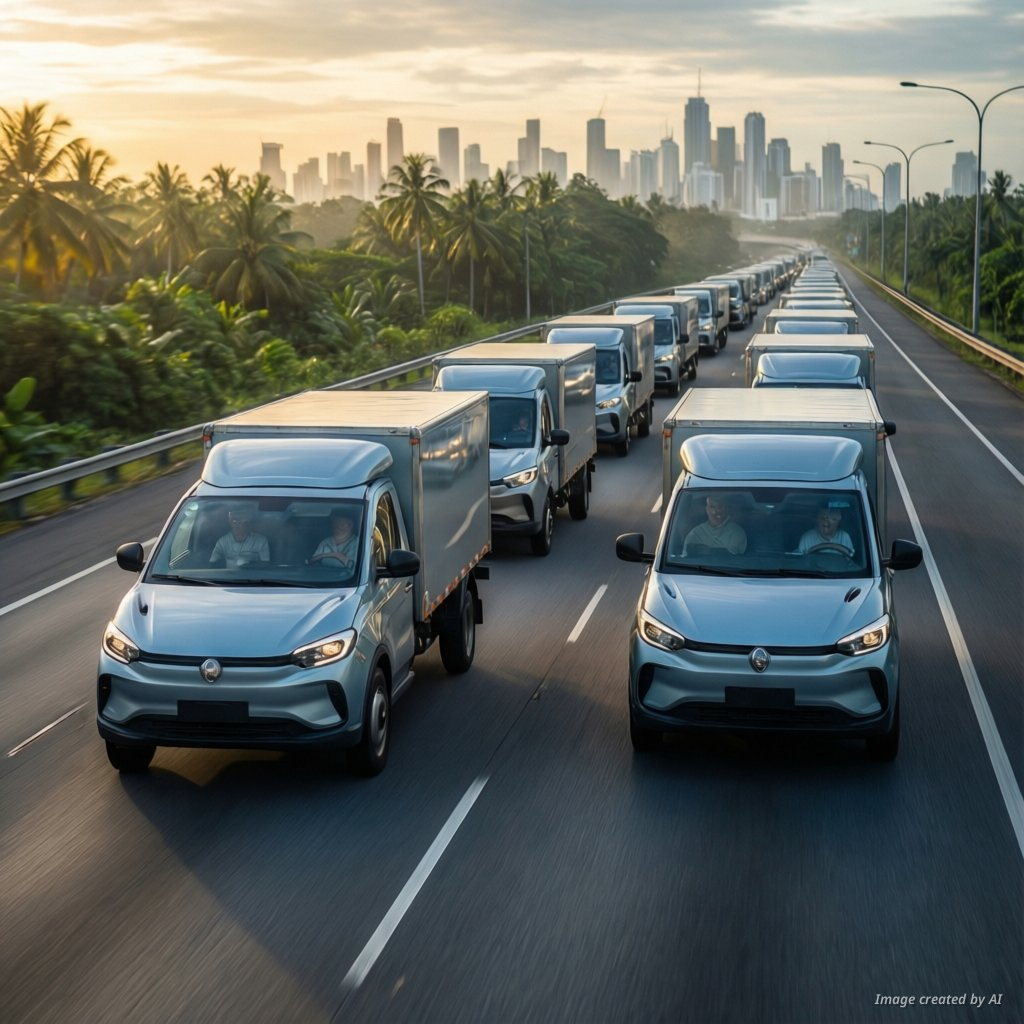
The logistics industry in the Philippines continues to evolve as we approach 2026. Transport businesses are facing higher demand for efficient product delivery [1]. Consequently, choosing the right vehicle is becoming critical to the success of every company.
Light trucks are becoming the primary weapon for businesses within the city. Their ability to maneuver through heavy traffic provides a significant advantage for operations [2]. It is expected that the 2026 market will focus on more fuel-efficient and durable models.
The shift in vehicle technology
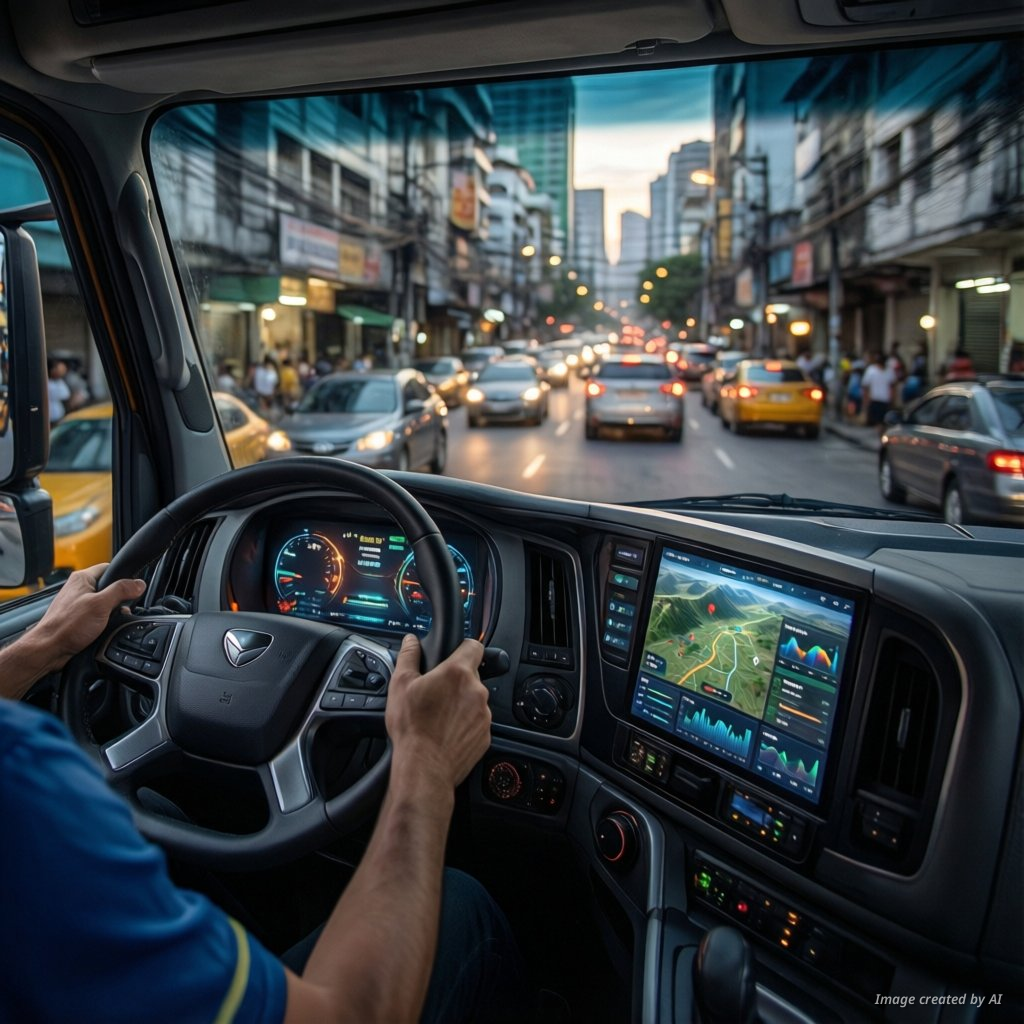
With the arrival of 2026, technology will be at the heart of every commercial vehicle. Many companies are shifting their focus toward vehicles with lower emissions [3]. The adoption of electric vehicles and government incentives in the Philippines will become more common.
Innovative sensors and digital tracking systems will also become standard in newly released trucks. These help business owners monitor their assets in real-time. This level of control reduces maintenance and operational costs [4].
Understanding market needs
E-commerce continues to drive growth in the transportation sector. Consumers are looking for faster services, so businesses need reliable vehicles. The impact of urbanization on vehicle type selection in the Philippines shows that small but powerful trucks are the most in-demand.
Entrepreneurs should evaluate their routes before purchasing a new fleet. Choosing the right vehicle size will help save on fuel. Light trucks are ideal for “last-mile delivery” due to their speed and ability to enter residential areas [5].
Strategies for business owners
Planning for 2026 requires a deep analysis of trends. Do not look only at the purchase price but also at the “total cost of ownership.” This includes costs for parts, service, and fuel consumption.
- Study new vehicle emission regulations.
- Invest in driver training for more fuel-efficient driving.
- Use digital platforms for better scheduling.
- Consider switching to hybrid or electric vehicles if the route is within the city.
The future of logistics in the Philippines
2026 will be a year of digitalization for trucks. Companies that do not adapt to technology will be left behind by the competition. The use of data analytics will provide a clear picture of which vehicles are most effective for each type of cargo.
Maintaining vehicles in good condition will remain a priority. Regular check-ups and early repairs of defects will prevent large expenses in the future. Proper fleet care results in a longer vehicle lifespan and higher profits for the business.
Conclusion
The light truck and commercial vehicle market in 2026 is full of opportunities. With proper planning and the use of technology, transport businesses can achieve a higher level of productivity. Being prepared for changes is the key to success amidst the country’s rapid economic development.
More Information
- Logistics: The process of planning, implementing, and controlling the efficient flow of goods and services from the point of origin to the destination to meet customer requirements.
- Light truck: Commercial vehicles with a weight typically not exceeding 3,500 to 7,500 kilograms, designed for cargo delivery within cities.
- Emissions: The release of gases or particles from a vehicle’s exhaust that affect air quality and the environment, which is monitored by pollution laws.
- Maintenance: The regular inspection and repair of vehicles to ensure they are safe, efficient, and in good condition for daily operations.
- Last-mile delivery: The final stage of the delivery process where the product is moved from a hub or warehouse to the consumer’s doorstep.
Related Posts
-
 Uncategorized
Factors driving consumers toward electric vehicles
Read more →Currently, the transportation landscape in the Philippines is changing rapidly. Many consumers are beginning to shift from traditional gasoline-powered vehicles…
-
 Uncategorized
Why the use of electric vehicles is growing rapidly among consumers today
Read more →Currently, many of us Filipinos are beginning to change our perspective when it comes to choosing a vehicle. The rise…
-
Uncategorized
OTA updates for smart massage chair systems
Read more →Driving for long hours causes extreme physical fatigue. For drivers, having a smart massage chair is a significant help. These…