
Factors driving consumers toward electric vehicles
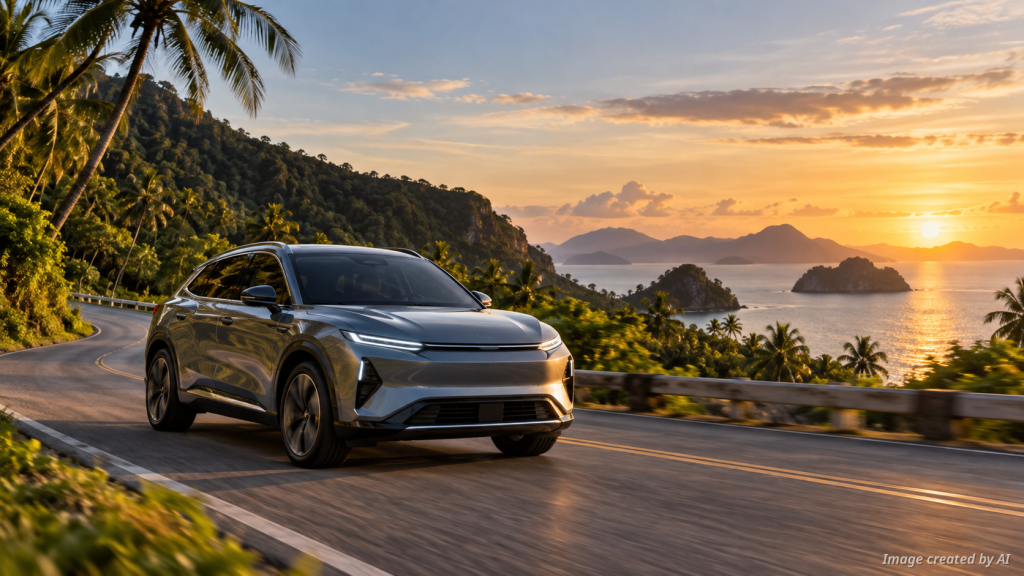
Currently, the transportation landscape in the Philippines is changing rapidly. Many consumers are beginning to shift from traditional gasoline-powered vehicles to electric vehicles (EVs). This transition is not just a trend but a response to global energy and environmental challenges.
Rising fuel prices are among the primary reasons why people are looking for alternative modes of transportation. Due to the high operating costs of traditional vehicles, consumers are now opting for options that are more economical in the long run [5].
The role of new brands in the market
The significant influence of new players in the automotive industry cannot be denied. The entry of brands like VinFast has provided Filipinos with more choices [2]. The rapid rise of these brands demonstrates consumer confidence in electric technology.
In fact, electric vehicles have already captured a significant share of the country’s market. According to reports, these brands are growing rapidly among consumers today due to their innovative designs and affordable prices [3]. Market competition is also driving better service and support for users.
Government support and incentives
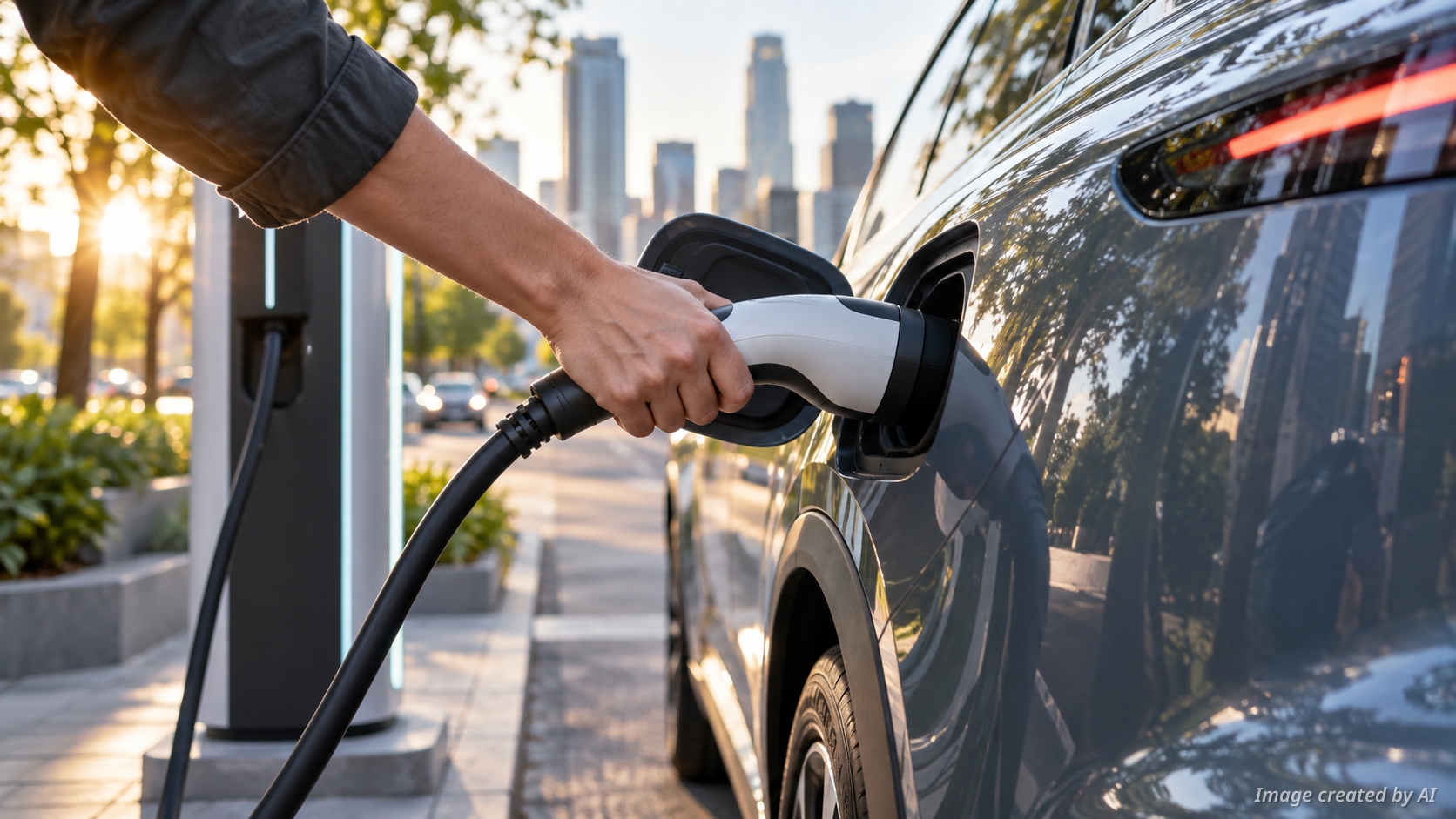
Government support is also a critical factor in the growth of this industry. There are policies that provide tax incentives and support for the infrastructure of charging stations [4]. These measures lower the barriers for those who wish to purchase their first electric vehicle.
However, experts emphasize that more effort is needed to make these vehicles more accessible. Expanding the network of charging stations is essential to make using EVs easier in remote areas [1]. Reducing complex permitting processes would also help accelerate the adoption of this technology.
Shifting consumer perspectives
The way Filipinos view energy and transportation has changed. Global events and rising oil prices have led to a deeper appreciation for alternative energy sources [1]. Many now see electric vehicles as a smart investment for the future.
Beyond being cost-effective, these vehicles also help reduce air pollution. In urbanized areas, the use of EVs is seen as a step toward a cleaner environment. Consumers are becoming more aware of their “carbon footprint” and its impact on nature.
Future challenges and opportunities
Although the trend is positive, the industry still faces challenges. High initial purchase costs remain a barrier for some families [1]. However, the increasing number of market options is expected to lower prices over time.
Battery technology is also continuously improving. Vehicles can now travel longer distances on a single charge. This gives drivers the confidence to use EVs for their daily commutes or even for long-distance travel.
Conclusion
The shift to electric vehicles is an inevitable direction for the Philippines. Due to the combination of high fuel prices, government support, and the entry of innovative brands, more people are ready to try this technology. The future of transportation in the country is certain to be greener and more efficient.
More Information
- Charging infrastructure: The facilities and network of stations where electric vehicles can be charged. This is critical for the widespread use of EVs in the country [1].
- Electric vehicle (EV): A type of vehicle that uses one or more electric motors for propulsion, instead of an internal combustion engine that uses fossil fuel [2].
- Market share: The percentage of total sales in an industry controlled by a particular company or brand. This is important in measuring the success of EV brands [3].
- Tax incentives: Government policies that reduce the taxes paid by consumers or companies to encourage the purchase or production of eco-friendly products like EVs [4].
- Operating costs: The total amount of money required to keep a vehicle running, including fuel, maintenance, and electricity [5].
Related Posts
-
 Uncategorized
Why the use of electric vehicles is growing rapidly among consumers today
Read more →Currently, many of us Filipinos are beginning to change our perspective when it comes to choosing a vehicle. The rise…
-
Uncategorized
OTA updates for smart massage chair systems
Read more →Driving for long hours causes extreme physical fatigue. For drivers, having a smart massage chair is a significant help. These…
-
Uncategorized
Travel management software for electric vehicles
Read more →Traveling using electric vehicles (EVs) is becoming a popular option for Filipinos. Due to advancements in technology, planning a trip…