
The impact of the pandemic on Filipino car-buying behavior
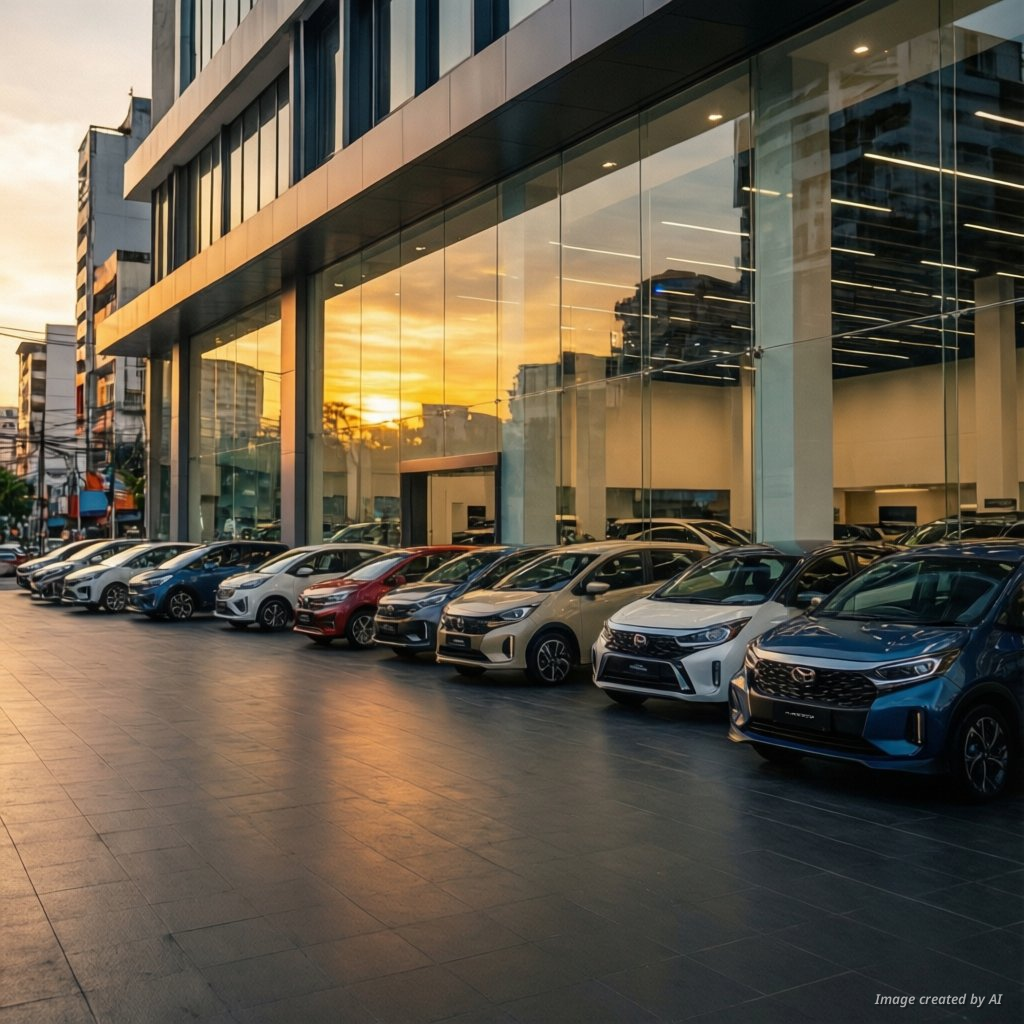
The COVID-19 pandemic brought about profound changes in every aspect of Filipino life. One of the sectors that experienced a significant shock was the country’s automotive industry.
In 2020, we saw a massive decline in vehicle sales due to lockdowns and economic constraints. This shift was not just a matter of numbers on paper, but a reflection of changing consumer priorities [1].
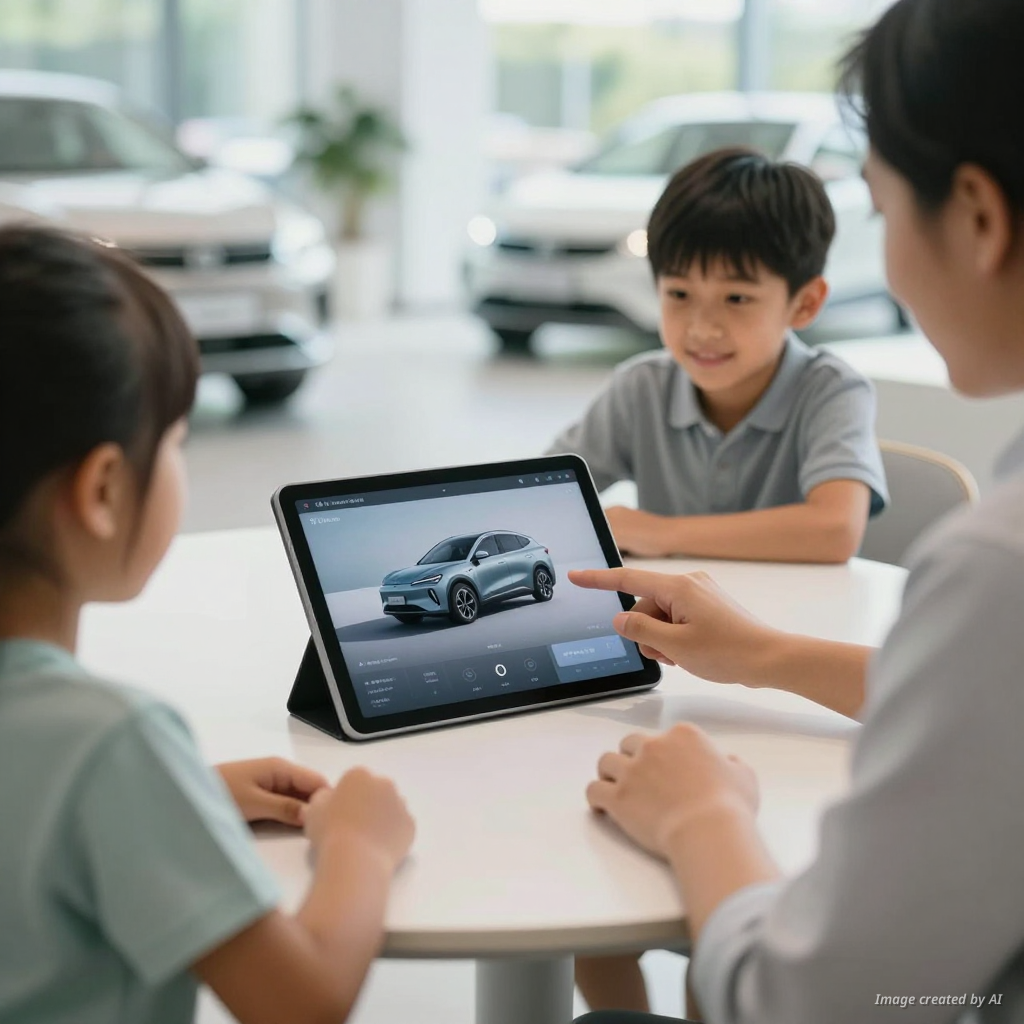
The decline in sales in 2020
The Chamber of Automotive Manufacturers of the Philippines, Inc. (CAMPI) and the Truck Manufacturers Association (TMA) reported a 39.5% decline in sales in 2020. From 369,941 units in 2019, it dropped to just 223,793 units [1]. The automotive industry faced severe challenges due to movement restrictions.
Many dealerships were forced to close or limit their operations for several months. Economic uncertainty drove consumers to postpone major expenditures. However, this period also sparked innovation in sales.
The shift to digital purchasing
Unable to visit physical showrooms, consumers quickly embraced technology. Platforms such as AutoDeal became vital bridges between buyers and dealers [2]. Virtual showrooms and online inquiries became the new standard.
People preferred safer and more convenient ways to select vehicles. The significant influence of social media on car-buying decisions in the Philippines intensified during this period. Digital loan applications became faster and more accessible to the public.
Personal mobility as a priority
Amid the pandemic, owning a private vehicle became a necessity for family safety. Fear of infection in public transportation pushed many Filipinos to buy cars [2]. It was no longer considered just a luxury, but a health requirement.
This shift resulted in a gradual market recovery in 2021. The country recorded 20% growth in vehicle sales that year [3]. The sector’s recovery is proof of the resilience of Filipino consumers.
Changes in the type of vehicles purchased
Consumers became more budget-conscious. As a result, demand increased for subcompact sedans and affordable MPVs. Fuel-efficient models became the favorite for many families [2]. Brands such as Toyota, Mitsubishi, and Suzuki remained market leaders.
In addition to new cars, the second-hand vehicle market also strengthened. Many buyers sought cheaper alternatives to save money while still having their own transportation. Choosing between the care and maintenance of electric vehicles versus gasoline-powered vehicles also began to be discussed by tech-savvy consumers.
The role of e-commerce and delivery services
The rise of e-commerce also increased the demand for commercial vehicles. Businesses requiring delivery services needed reliable transport. Motorcycles and light commercial vehicles became essential parts of the supply chain [2].
Services like Grab and Lalamove further boosted the demand for business-use vehicles. Filipinos found ways to earn a living amidst the crisis by utilizing their vehicles.
Challenges for market researchers
For market researchers, the pandemic opened a new lens for studying consumer behavior. Traditional survey methods were no longer sufficient. It became necessary to analyze the digital footprint of consumers [2].
Understanding how consumer decisions change in the midst of a crisis is essential for companies. Data from CAMPI and TMA provide a crucial foundation for strategic decisions [1]. Studying SUVs and pickup trucks: the best choices for the Filipino family in 2026 is part of the ongoing market evolution.
Conclusion
The pandemic left a permanent mark on the Philippine automotive industry. From the decline in 2020 to the gradual recovery, we have seen the ability of Filipinos to adjust. Digitalization and changing priorities remain key themes today.
Market researchers must continue to monitor these trends. The future of car buying in the country depends on technology and the evolving needs of consumers. Understanding these factors will determine the success of companies in the coming years.
More Information
- CAMPI: The Chamber of Automotive Manufacturers of the Philippines, Inc. is an organization that records data and promotes the interests of automotive companies in the country [1].
- Digital showroom: An online platform where customers can view, evaluate, and sometimes purchase vehicles without visiting a physical location [2].
- Personal mobility: An individual’s ability to have their own means of transportation, which became a priority for many families due to the pandemic [3].
- Subcompact car: A type of vehicle smaller than a compact car, known for being fuel-efficient and affordable for consumers [2].
- TMA: The Truck Manufacturers Association is a group of truck manufacturers and distributors in the Philippines that provides reports on heavy vehicle sales [1].
Related Posts
-
 Uncategorized
Factors driving consumers toward electric vehicles
Read more →Currently, the transportation landscape in the Philippines is changing rapidly. Many consumers are beginning to shift from traditional gasoline-powered vehicles…
-
 Uncategorized
Why the use of electric vehicles is growing rapidly among consumers today
Read more →Currently, many of us Filipinos are beginning to change our perspective when it comes to choosing a vehicle. The rise…
-
Uncategorized
OTA updates for smart massage chair systems
Read more →Driving for long hours causes extreme physical fatigue. For drivers, having a smart massage chair is a significant help. These…