
The current state of the sports car and high-performance vehicle market in Vietnam
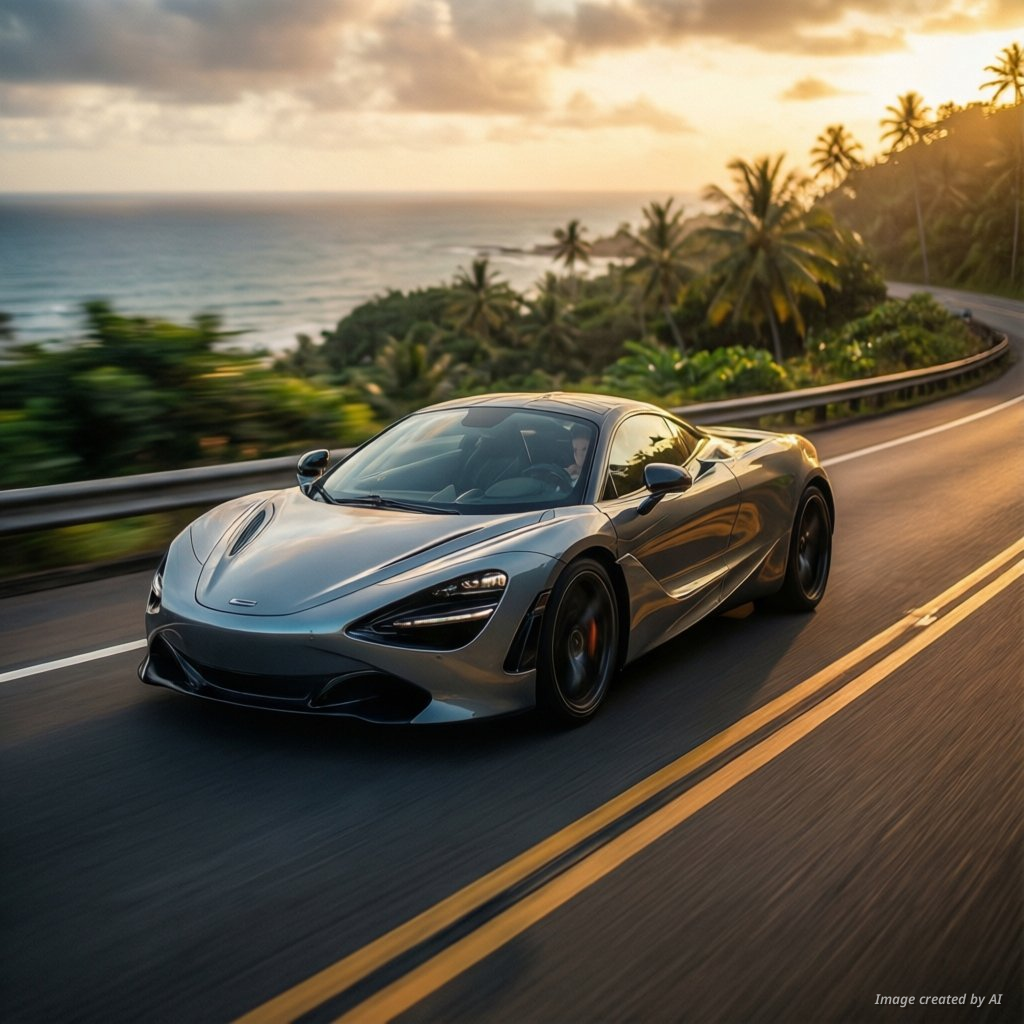
The market for sports and high-performance vehicles continues to evolve in Southeast Asia. In Vietnam, the rising number of affluent individuals is driving significant interest in luxury sports cars [3]. Automotive enthusiasts are now seeking higher levels of speed and luxury in their driving experiences.
This shift in demand is particularly noticeable in major cities such as Hanoi and Ho Chi Minh City. Global brands are showing intense interest in this region due to the expanding car enthusiast culture [4]. This development provides more options for local buyers.
The influence of taxes on vehicle selection
In Vietnam, tax policies have a significant impact on the price of vehicles with large engines. The Special Consumption Tax (SCT) is linked to a vehicle’s engine displacement [3]. As a result, traditional V8 or V12 supercars become very expensive for many buyers.
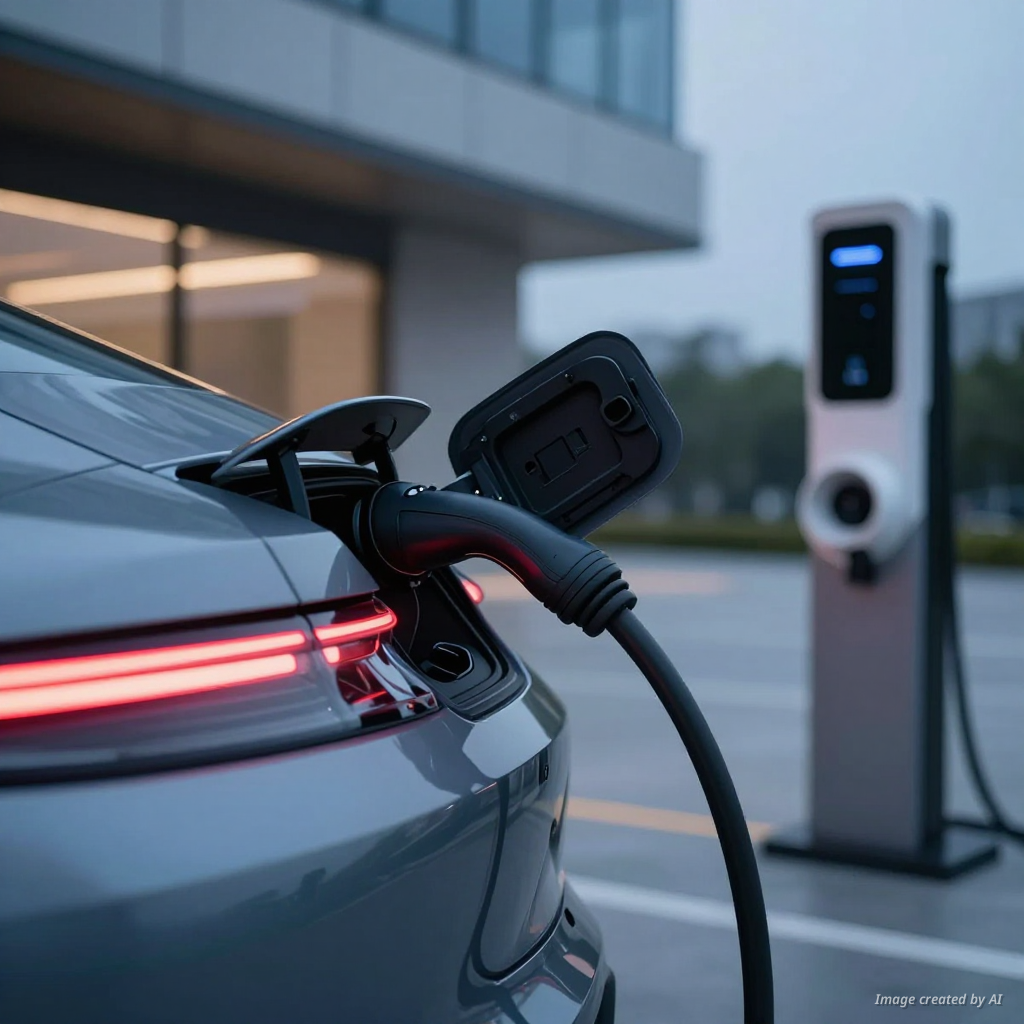
On the other hand, the government provides incentives for electric vehicles (EVs). The 0% registration fee for Battery Electric Vehicles (BEVs) is a major step forward [4]. Models like the Porsche Taycan are becoming increasingly popular due to these benefits Porsche Official Newsroom [5].
Key brands and distributors in the market
Porsche remains one of the most successful brands in Vietnam. Their official centers in Ho Chi Minh City and Hanoi provide world-class service [5]. Furthermore, distributors such as Supreme Autos for Ferrari bring exclusive models into the country.
THACO Auto and Mercedes-Benz Vietnam are also active in introducing high-performance sedans. These companies provide after-sales support, which is essential for luxury vehicle owners. You can read about affordable electric vehicles: opportunities for the Vietnam and Philippines markets to better understand this trend.
Comparison with the Philippine market
In the Philippines, the tax system is based on the net importer price under the TRAIN Law Top Gear Philippines [1]. Sports cars typically fall into a high excise tax bracket. However, the introduction of Toyota Gazoo Racing (TGR) has lowered the barrier for those interested in performance driving [2].
- Vietnam uses a displacement-based tax.
- The Philippines uses a price-based excise tax.
- Both countries provide support for EV adoption.
The car enthusiast culture
The growth of car clubs and track day events demonstrates the vibrancy of the industry. In the Philippines, the Clark International Speedway is a key destination for speed enthusiasts AutoIndustriya [2]. In Vietnam, although permanent circuits are limited, interest in driving remains high.
Vehicle owners are also becoming more selective with their modifications. Expressing personal style on the road has become part of their lifestyle. Learn more about vehicle customization: expressing your own style on the road for customization ideas.
The future of electric performance
The shift toward electric performance is no longer just an environmental issue. It is also about the technology and speed delivered by electric motors. Vehicles like the Audi e-tron GT prove that performance is not lost in EVs [5].
Buyers in Vietnam and the Philippines are gradually embracing this technology. With the help of government incentives, the future of the sports car will be greener and faster. The coming years will certainly bring more innovation to the market.
More Information
- Excise tax: A type of tax imposed on the sale or use of specific products, such as luxury vehicles, based on their price or engine capacity [1].
- High-performance vehicle: Vehicles designed for higher speeds, better handling, and stronger acceleration compared to standard road vehicles [2].
- Special consumption tax: A special tax in Vietnam imposed on luxury goods and vehicles with large engines to control consumption and emissions [3].
- Battery electric vehicle: A type of electric vehicle that uses energy solely from batteries and has no internal combustion engine that produces emissions [4].
- Motorsport infrastructure: Facilities such as racing circuits and track days that allow drivers to test the limits of their vehicles in a safe manner [5].
Related Posts
-
 Uncategorized
Factors driving consumers toward electric vehicles
Read more →Currently, the transportation landscape in the Philippines is changing rapidly. Many consumers are beginning to shift from traditional gasoline-powered vehicles…
-
 Uncategorized
Why the use of electric vehicles is growing rapidly among consumers today
Read more →Currently, many of us Filipinos are beginning to change our perspective when it comes to choosing a vehicle. The rise…
-
Uncategorized
OTA updates for smart massage chair systems
Read more →Driving for long hours causes extreme physical fatigue. For drivers, having a smart massage chair is a significant help. These…