
OTA updates for adaptive suspension to enhance the driving experience

Technology in the automotive world is evolving rapidly. One of the most significant innovations today is the use of over-the-air (OTA) updates for advanced suspension systems. Sports car enthusiasts are benefiting greatly from these types of advancements.[1]
Through software, vehicles are becoming smarter and more responsive to the road. There is no longer a need to visit a workshop for every performance adjustment. These updates breathe new life into your vehicle directly from the cloud.[2]
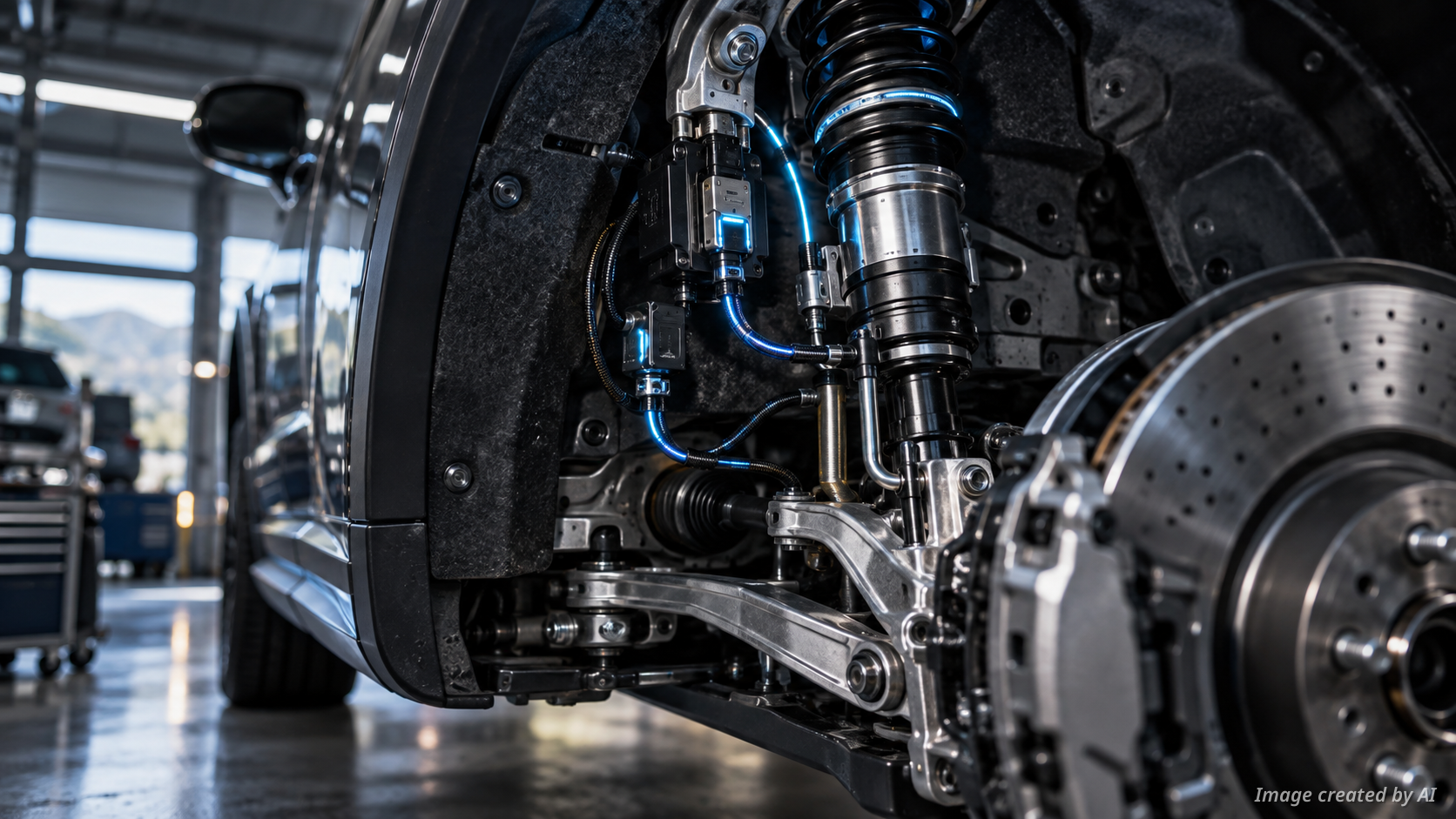
The importance of software in modern suspension
Adaptive suspension is not just about comfort. It is about control and road handling, especially on sharp turns. Smart electric vehicles use sensors to read road conditions thousands of times per second.[1]
Through OTA, the algorithms that run these sensors can be updated. This means your vehicle can become better at handling over time. Manufacturers are constantly releasing patches for smoother smart electric vehicles with self-parking features to reduce driving stress. This type of development keeps your vehicle constantly updated with the latest technology.
How OTA works in vehicles
The OTA process is similar to updating firmware on other smart devices.[3] It only requires a stable internet connection and sufficient battery. Once the update is ready, the system will notify the driver.[4]
After downloading, the software installs in the background. In some cases, you may need to restart the vehicle to see the changes. This process allows manufacturers to fix issues quickly.[3] It also reduces the need for physical recalls at service centers.
Benefits for sports car enthusiasts
For those who love speed and precision, adaptive suspension is critical. The ability to adjust the stiffness of shock absorbers via software is a major advantage. You can change the setting from “comfort” to “sport” mode with just a tap.[1]
OTA updates provide new profiles for the suspension. This can offer tighter handling on the track or a softer ride on bumpy roads. Understanding the communication protocols between software and hardware is key to this advancement.[5]
The future of driving
Software updates are no longer limited to just the infotainment system. Today, critical components like the suspension are part of the digital ecosystem. This provides a longer lifespan for vehicles.[1]
In the future, we expect more personalized settings. You could download a “track mode” suspension in the morning and a “city mode” in the afternoon. This technology will continue to change the way we interact with our vehicles.[2]
Manufacturers are constantly looking for ways to improve AI voice recognition technology in electric vehicles for hands-free driving. The integration of AI and adaptive suspension will lead to safer driving. Every update is a step toward a more perfect experience on the road.
Maintaining your vehicle
It is important to always check the notifications on your dashboard. Failing to update the software could result in some advanced features not functioning.[3] Ensure your vehicle is always running the latest firmware version.[4]
Taking care of your vehicle is no longer just about changing oil or brakes. It is also about managing your vehicle’s digital health. OTA updates are the new standard in the automotive industry.[1]
Conclusion
OTA updates for adaptive suspension are a revolutionary step. They give drivers the power to upgrade their vehicles without leaving home.[2] This increases performance, safety, and driving pleasure.
For sports car enthusiasts, this is a new era. Embrace the technology and make the most of every update that comes to your vehicle. The future of driving is faster, smarter, and more connected than ever before.[1]
More Information
- OTA (Over-the-Air): A method of delivering software updates to devices like vehicles via a wireless connection, eliminating the need for a physical connection at a service center.
- Adaptive suspension: A suspension system that automatically adjusts the stiffness or softness of shock absorbers based on road conditions and driving style for better handling.
- Firmware: A type of software embedded in a device’s hardware that controls the basic operations and functions of that hardware, such as suspension control units.
- Sensor: Electronic devices in the vehicle that measure physical changes in the road or vehicle movement and send information to the computer for real-time adjustments.
- Algorithm: A set of instructions or logic used by the vehicle’s computer to decide how the suspension should react to various road situations.
Related Posts
-
 Uncategorized
Factors driving consumers toward electric vehicles
Read more →Currently, the transportation landscape in the Philippines is changing rapidly. Many consumers are beginning to shift from traditional gasoline-powered vehicles…
-
 Uncategorized
Why the use of electric vehicles is growing rapidly among consumers today
Read more →Currently, many of us Filipinos are beginning to change our perspective when it comes to choosing a vehicle. The rise…
-
Uncategorized
OTA updates for smart massage chair systems
Read more →Driving for long hours causes extreme physical fatigue. For drivers, having a smart massage chair is a significant help. These…