
Imported vehicle market in the Philippines: competition and new regulations
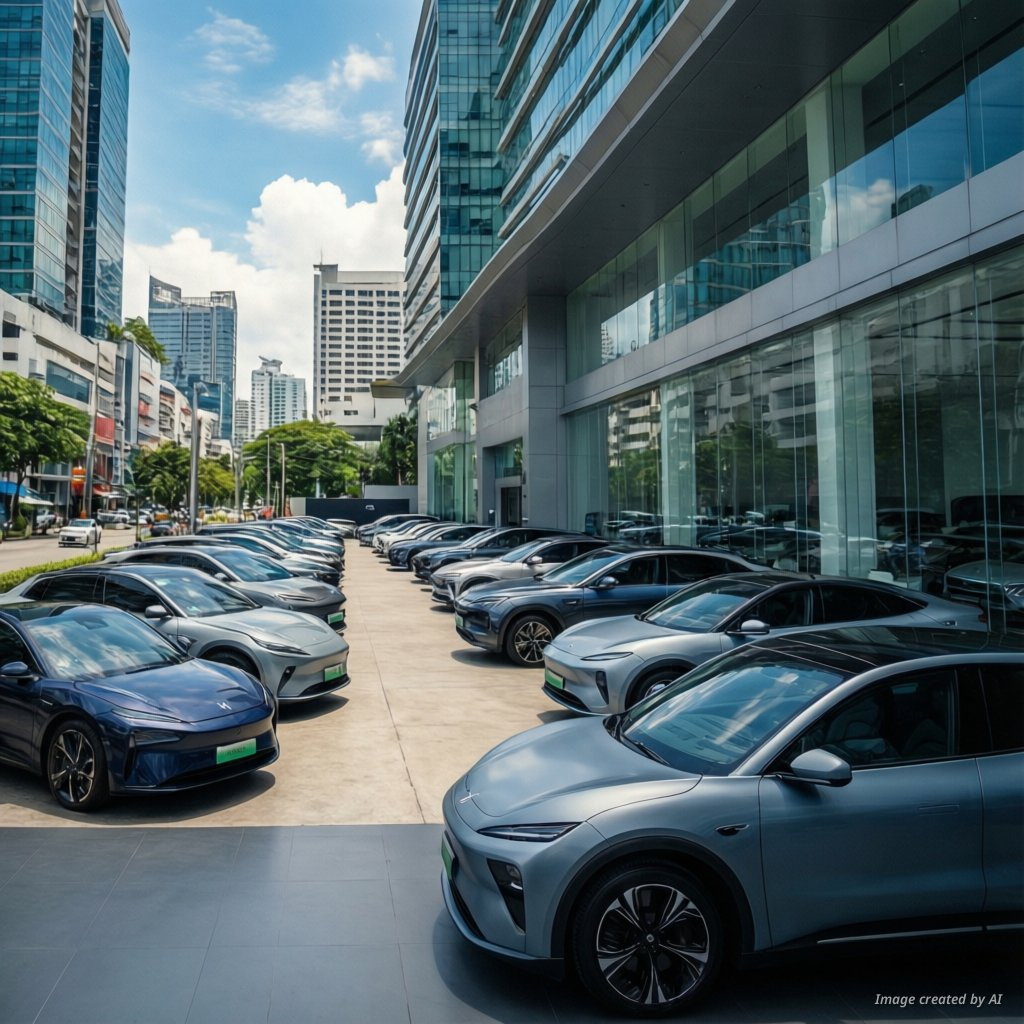
The automotive industry in the Philippines is currently undergoing a significant phase of transformation. Due to the country’s high dependency on Completely Built-Up (CBU) units, local importers are facing more intense challenges and opportunities. Understanding the new regulations and the shift in competition is critical for the success of every entrepreneur in this sector.
Over time, imported vehicles from Thailand, Indonesia, and China have become the primary supply on our roads. The growth in sales, according to a report by the Chamber of Automotive Manufacturers of the Philippines, Inc. (CAMPI), is proof that the country’s transportation sector is very much alive.
The impact of new import regulations
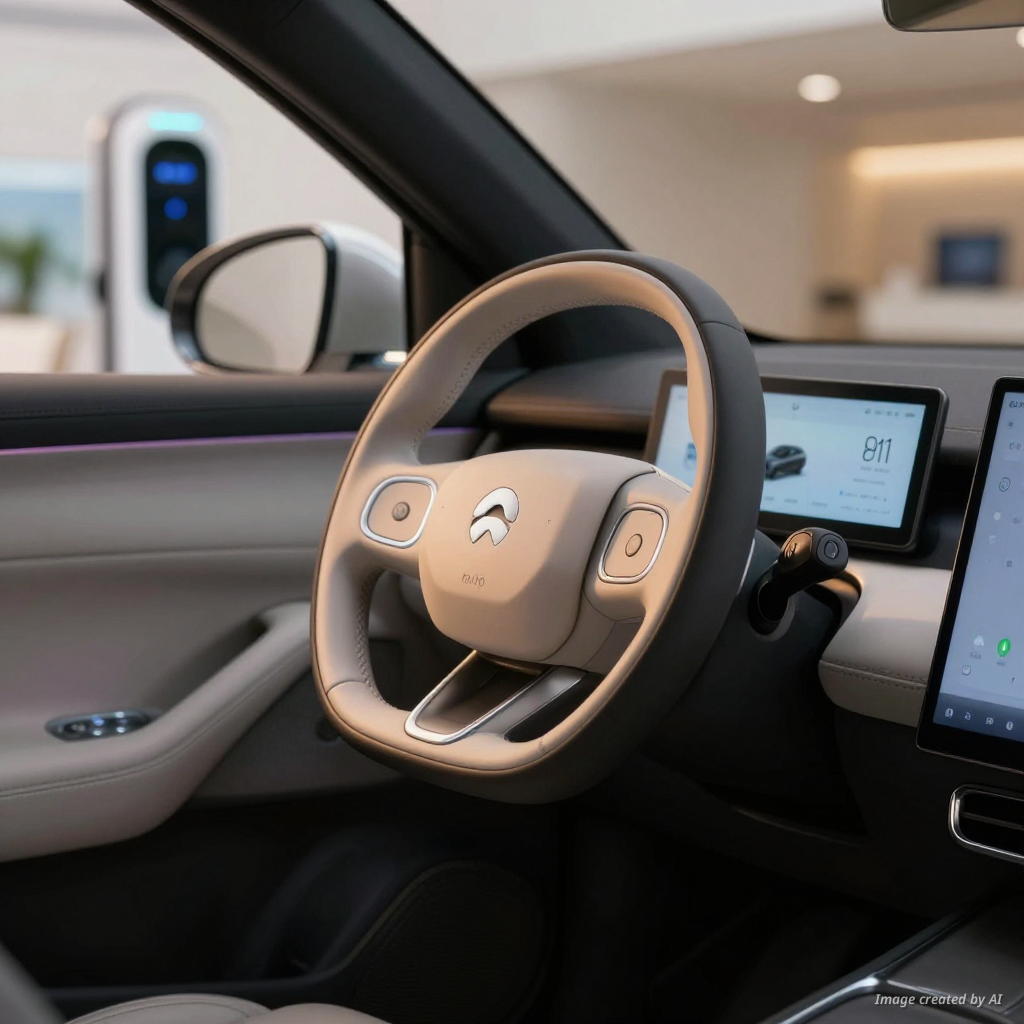
The government has implemented significant policies to promote the use of cleaner technology. Through Executive Order No. 12 and EO 62, tariffs were reduced to 0% for Battery Electric Vehicles (BEVs) and hybrid vehicles [1]. This move aims to lower the price of imported units for Filipino consumers.
Furthermore, the Electric Vehicle Industry Development Act (EVIDA) provides incentives to importers [3]. This law mandates that fleets have a sufficient share of EVs. Because of this, it is now easier for entrepreneurs to introduce innovative vehicles to the market [2].
Strict standards and legal compliance
Authorities are not only monitoring incentives. The Bureau of Customs (BOC) and the Department of Trade and Industry (DTI) are implementing stricter checks on documents such as the Certificate of Conformity (COC). It is essential to ensure that every vehicle imported complies with Euro 4 and Euro 5 emission standards [4].
There is also strict monitoring against the illegal importation of second-hand vehicles. According to Executive Order 156, the entry of used vehicles is prohibited except for special exemptions. Importers must be careful to avoid legal problems with the BOC [5].
Competition: the entry of new players
The Philippine market has traditionally been dominated by Japanese brands. However, the entry of brands from China has changed the dynamics of competition. Brands such as BYD, Geely, and MG are aggressively offering high-tech vehicles at more affordable prices.
Here are the reasons why new brands are growing rapidly:
- More advanced safety features or ADAS.
- Larger infotainment screens and modern interior designs.
- Wider options for electric and hybrid models.
- Aggressive pricing that challenges established brands.
For those looking to upgrade their vehicle, you can read about SUVs and pickup trucks: the best choices for Filipino families in 2026. Choosing the right vehicle depends on your needs and the technology offered by importers.
The future of vehicle importation
The market will continue to be competitive in the coming years. Importers who can adjust to new regulations and provide high-quality service will remain stable. Understanding the care and maintenance of electric vehicles compared to gasoline-powered vehicles is important to improve service to customers.
Focusing on sustainability and complying with government standards is not just about following the law. It is a strategic move to maintain consumer trust. Amidst rapid changes, knowledge is the most important asset for every importer.
More Information
- CBU (Completely Built-Up): These are vehicles imported fully assembled and ready for use from another country. No additional assembly is required within the Philippines before sale.
- EVIDA (Electric Vehicle Industry Development Act): A law in the Philippines that aims to promote the use of electric vehicles by providing incentives and setting mandatory quotas for fleets.
- MFN (Most Favored Nation) tariff: The tax rate imposed by a country on imported products from other World Trade Organization members to ensure fair trade.
- Euro 4 / Euro 5 emission standards: International standards for limiting pollution emitted by vehicles, which are implemented in the Philippines to improve air quality.
- Undervaluation: An illegal practice where the value of an imported vehicle is intentionally declared lower than its actual price to avoid paying the correct taxes to the Bureau of Customs.
Related Posts
-
 Uncategorized
Factors driving consumers toward electric vehicles
Read more →Currently, the transportation landscape in the Philippines is changing rapidly. Many consumers are beginning to shift from traditional gasoline-powered vehicles…
-
 Uncategorized
Why the use of electric vehicles is growing rapidly among consumers today
Read more →Currently, many of us Filipinos are beginning to change our perspective when it comes to choosing a vehicle. The rise…
-
Uncategorized
OTA updates for smart massage chair systems
Read more →Driving for long hours causes extreme physical fatigue. For drivers, having a smart massage chair is a significant help. These…