
Global standardization of the electric vehicle battery recycling process
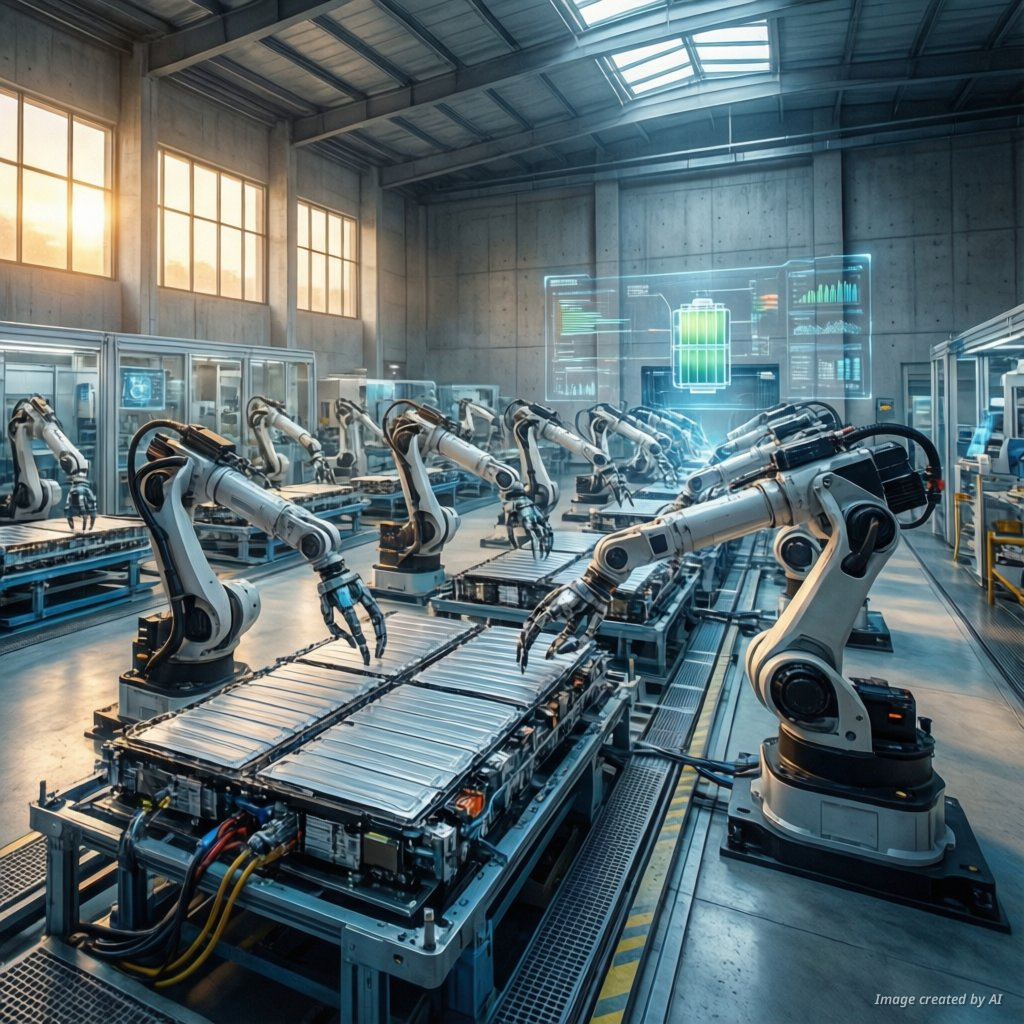
The rapid growth of the electric vehicle (EV) industry presents a significant challenge in battery management. As the number of electric vehicles on the road increases, so does the demand for a global standard for recycling used batteries [2].
Standardization is not just for safety. It is critical to ensure that valuable metals such as lithium, cobalt, and nickel are efficiently returned to the supply chain [3]. Establishing global protocols will help manufacturers comply with regulations while maintaining environmental quality.
The importance of global standards
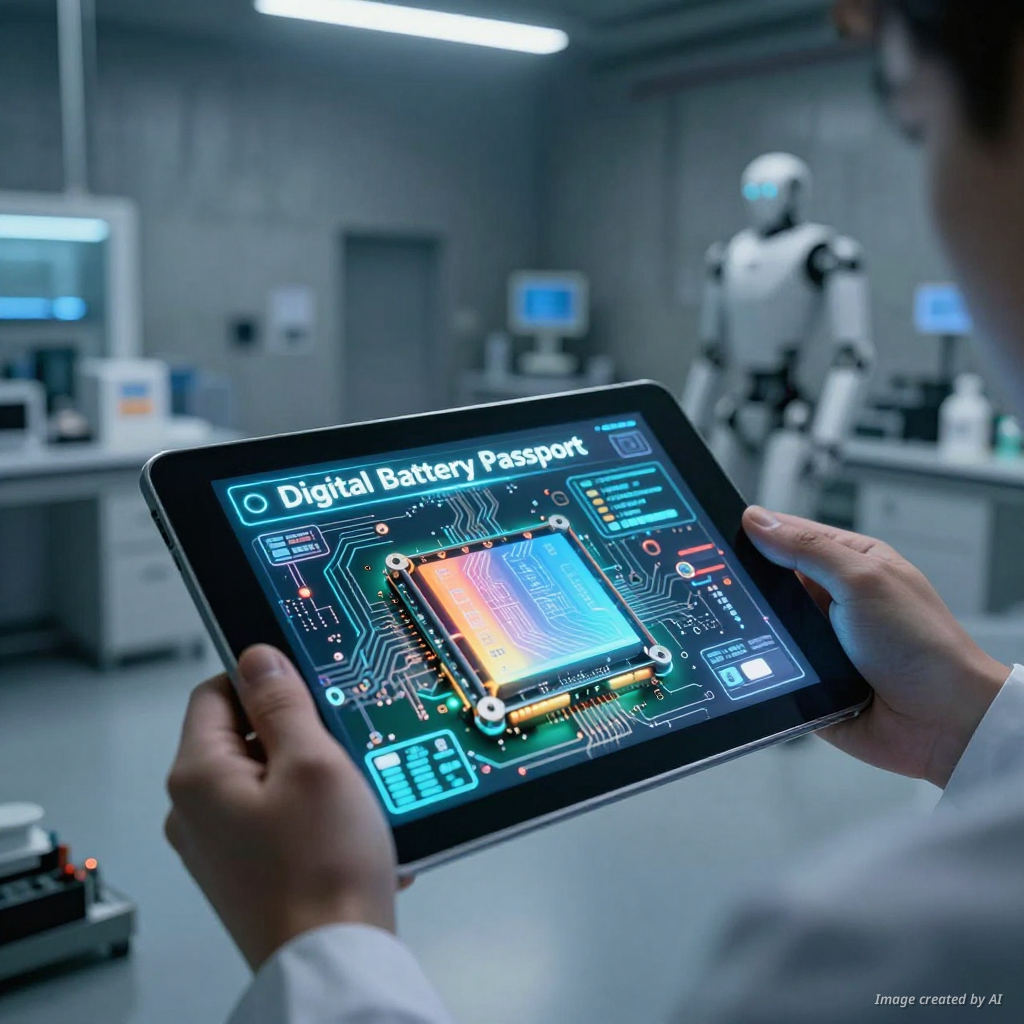
Currently, each country has its own laws regarding the disposal of hazardous waste. The EU Battery Regulation serves as a primary benchmark for the world [3]. It introduces the concept of a “digital battery passport” to track every battery from production to recycling.
Having a unified standard reduces costs for manufacturers. It also facilitates the exchange of technology between countries. Safe and effective lithium-ion battery recycling technology requires clear guidelines to prevent accidents such as thermal runaway.
Philippine context and the EVIDA law
In the Philippines, Republic Act No. 11697, better known as the Electric Vehicle Industry Development Act (EVIDA), sets the country’s direction [1]. It mandates government agencies to develop rules for battery recycling.
We need to focus on the circular supply chain of electric vehicle batteries from mining to recycling. Local facilities must comply with DENR-EMB standards for handling hazardous waste [4]. Developing local capacity will provide greater opportunities for industries in the Philippines.
Metal recovery technology
The recycling process is generally divided into two main methods: pyrometallurgy and hydrometallurgy. Pyrometallurgy uses high heat to melt metals [3]. On the other hand, hydrometallurgy uses chemical solutions for higher purity of recovered materials.
The choice of technology must be based on global safety standards. Manufacturers should invest in systems that comply with UN 38.3 transport testing requirements. This is to ensure that the transport of spent batteries does not pose a risk to the public.
Extended producer responsibility in the industry
Extended Producer Responsibility (EPR) is a key pillar in modern waste management. Under this system, manufacturers are responsible for the entire life cycle of their products. This includes funding recycling facilities and material recovery [3].
Companies are encouraged to design batteries that are easy to disassemble. Modular design facilitates the separation of cells and other components. Through this, it is easier to reach recovery rate targets for lithium and cobalt [2].
Logistics and security challenges
Battery recycling is not just a matter of chemical processes. Logistics is a major obstacle, especially in an archipelago like the Philippines. Transporting batteries from various regions to centralized facilities requires careful planning [4].
We must develop protocols for the safe storage of batteries prior to transport. Facilities must have adequate equipment for fire suppression. Personnel training should also be a priority to prevent any incidents.
The future of the circular economy
The transition toward a circular economy is no longer just an option but a necessity. The use of second-life batteries for energy storage systems is a good example of extending the life of batteries [2]. This reduces the need for mining new raw materials.
Organizations and manufacturers must work together to develop standards that fit local and global needs. Unity in protocols will provide confidence to investors and consumers. Ultimately, the goal is to build an industry that is responsible and cares for the environment.
More Information
- EVIDA (RA 11697): The primary law in the Philippines that sets the framework for the development of the electric vehicle industry and the proper management of its batteries [1].
- Digital battery passport: A digital record containing information about the origin, carbon footprint, and recycled content of an EV battery [3].
- Hydrometallurgy: A process of extracting metals from used batteries using chemical solutions to achieve high levels of purity [3].
- Hazardous waste: Materials considered dangerous to health and the environment, which includes used lithium-ion batteries according to DENR-EMB regulations [4].
- Thermal runaway: A dangerous condition in batteries where excessive heat causes a chain reaction that can lead to ignition or explosion [2].
Related Posts
-
 Uncategorized
Factors driving consumers toward electric vehicles
Read more →Currently, the transportation landscape in the Philippines is changing rapidly. Many consumers are beginning to shift from traditional gasoline-powered vehicles…
-
 Uncategorized
Why the use of electric vehicles is growing rapidly among consumers today
Read more →Currently, many of us Filipinos are beginning to change our perspective when it comes to choosing a vehicle. The rise…
-
Uncategorized
OTA updates for smart massage chair systems
Read more →Driving for long hours causes extreme physical fatigue. For drivers, having a smart massage chair is a significant help. These…