
EREV architecture: the future of VinFast VF9 production
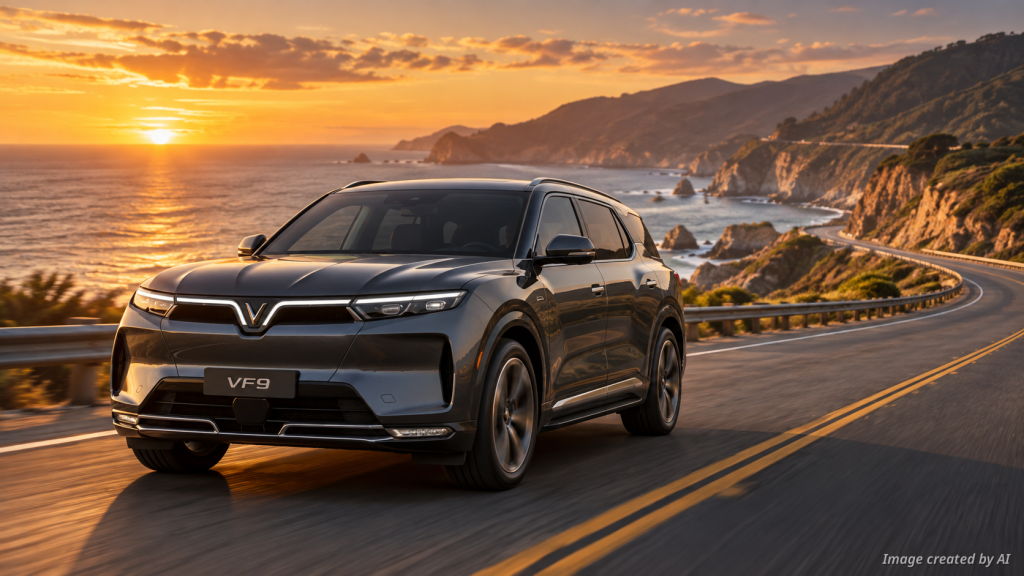
The automotive industry is undergoing a massive transformation toward electrification. VinFast, a leader in this movement, is exploring innovative ways to enhance its flagship SUV, the VF9. Recent reports suggest that EREV technology could be the next major evolution for this model [1].
Extended-Range Electric Vehicle (EREV) architecture offers a unique bridge for drivers. It combines the smooth performance of an electric motor with the convenience of a gasoline engine [2]. By integrating this system, VinFast aims to solve range anxiety for long-distance travelers [3].
Understanding the EREV concept
An EREV is distinct from a traditional hybrid vehicle. In this setup, the wheels are driven entirely by an electric motor [2]. The gasoline engine does not connect to the drivetrain. Instead, it acts solely as a generator to charge the battery pack while driving [3].
This configuration ensures that the vehicle maintains the driving characteristics of a pure electric car. Drivers enjoy instant torque and quiet operation. Simultaneously, they benefit from the extended range provided by the fuel-powered generator [2].
Why the VF9 is the ideal candidate
The VF9 is a full-size E-SUV known for its spacious interior and luxury features [4]. Because of its size, it requires significant energy to maintain long-range performance. EREV technology provides a practical solution for this segment [1].
By adopting this architecture, VinFast can cater to customers who frequently travel long distances. It also addresses the current infrastructure challenges in regions where charging stations are still developing [2]. This strategic move could significantly broaden the appeal of the VF9 globally.
Strategic advantages for VinFast
VinFast has consistently demonstrated its ability to master complex automotive technologies [4]. Integrating EREV systems aligns with the company’s commitment to sustainable mobility. It also allows for a more flexible production strategy across its vehicle lineup [2].
Furthermore, the Vietnamese government is actively supporting the transition to electrified transport. New regulations, such as Circular 45/2026, provide a clear framework for green vehicles [1]. This regulatory support creates a favorable environment for the adoption of EREV models.
The role of smart technology
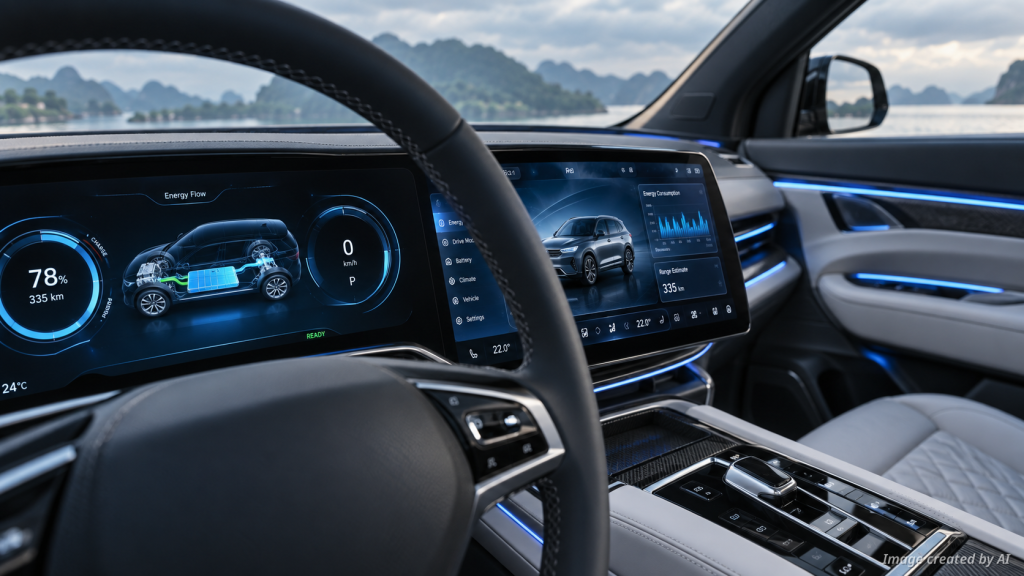
Modern vehicles like the VF9 rely heavily on advanced software architectures. VinFast has already implemented sophisticated digital systems to manage vehicle performance [5]. EREV systems require complex energy management software to function efficiently [2].
The integration of a Central Vehicle Computer (CVC) makes this transition easier. It allows for seamless communication between the gasoline generator and the electric motor [5]. This ensures that the vehicle remains smart, responsive, and easy to upgrade over time.
Meeting customer expectations
Customers today demand high performance without compromising on convenience. The VF9 has already received praise for its comfort and driving dynamics [3]. Adding an EREV option would likely enhance its value proposition [5].
VinFast continues to push boundaries in the electric vehicle sector. By listening to market feedback, the company ensures its products remain competitive. The potential shift toward EREV technology is a testament to this customer-centric approach [2].
Future outlook for the VF9
As we look toward 2026 and beyond, the automotive landscape will continue to evolve. VinFast is preparing to introduce new technologies that redefine the driving experience [3]. The VF9 remains a cornerstone of this vision [4].
Whether through pure electric or EREV powertrains, VinFast is committed to innovation. The upcoming updates to the VF9 will likely set new standards for the segment. Drivers can expect a vehicle that balances power, efficiency, and long-range capability [5].
Conclusion
The adoption of EREV architecture represents a smart move for VinFast. It leverages existing electric technology while adding the reliability of a backup generator. This makes the VF9 an even more versatile choice for modern families and professionals [1].
As the company moves forward, it will continue to refine these systems. The future of VinFast looks bright as it balances technological advancement with practical consumer needs. We look forward to seeing how these developments take shape on the road [2].
More Information
- EREV: An Extended-Range Electric Vehicle is an electric car that uses a small internal combustion engine as a generator to recharge the battery, extending the total driving range significantly [1].
- Hybrid powertrain: A system that combines two or more sources of power, such as an electric motor and a gasoline engine, to improve fuel efficiency and performance [2].
- Range anxiety: The fear or concern that an electric vehicle will run out of power before reaching a destination or a charging station, limiting its usage for long trips [3].
- E-SUV: A sport utility vehicle powered by an electric drivetrain, typically characterized by a larger body, increased passenger space, and higher ground clearance [4].
- Central vehicle computer: A core electronic control unit that manages and coordinates various vehicle systems, allowing for advanced software updates and optimized performance [5].
Related Posts
-
 Uncategorized
Factors driving consumers toward electric vehicles
Read more →Currently, the transportation landscape in the Philippines is changing rapidly. Many consumers are beginning to shift from traditional gasoline-powered vehicles…
-
 Uncategorized
Why the use of electric vehicles is growing rapidly among consumers today
Read more →Currently, many of us Filipinos are beginning to change our perspective when it comes to choosing a vehicle. The rise…
-
Uncategorized
OTA updates for smart massage chair systems
Read more →Driving for long hours causes extreme physical fatigue. For drivers, having a smart massage chair is a significant help. These…