
Electric vehicles and the national grid: energy challenges in the Philippines
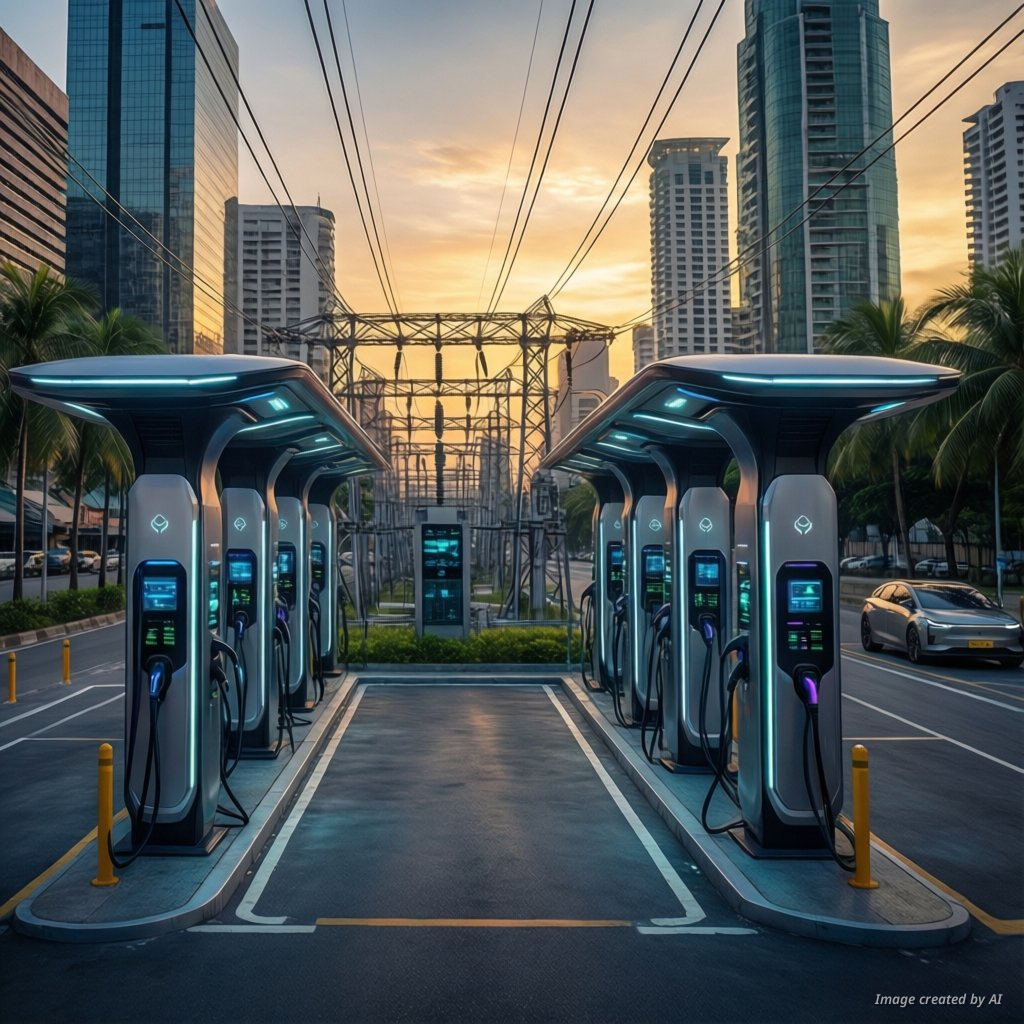
The transition to electric vehicles (EVs) is one of the Philippines’ primary priorities to reduce the country’s carbon footprint. Under the Electric Vehicle Industry Development Act (EVIDA), the government aims to accelerate the adoption of these modern modes of transport [1]. However, the rise of EVs poses significant challenges to our national power grid.
Energy sector companies are facing pressure to ensure supply stability as demand increases. The integration of EVs into the current infrastructure requires careful planning and extensive modernization [4].
The impact of rising EV numbers on load demand
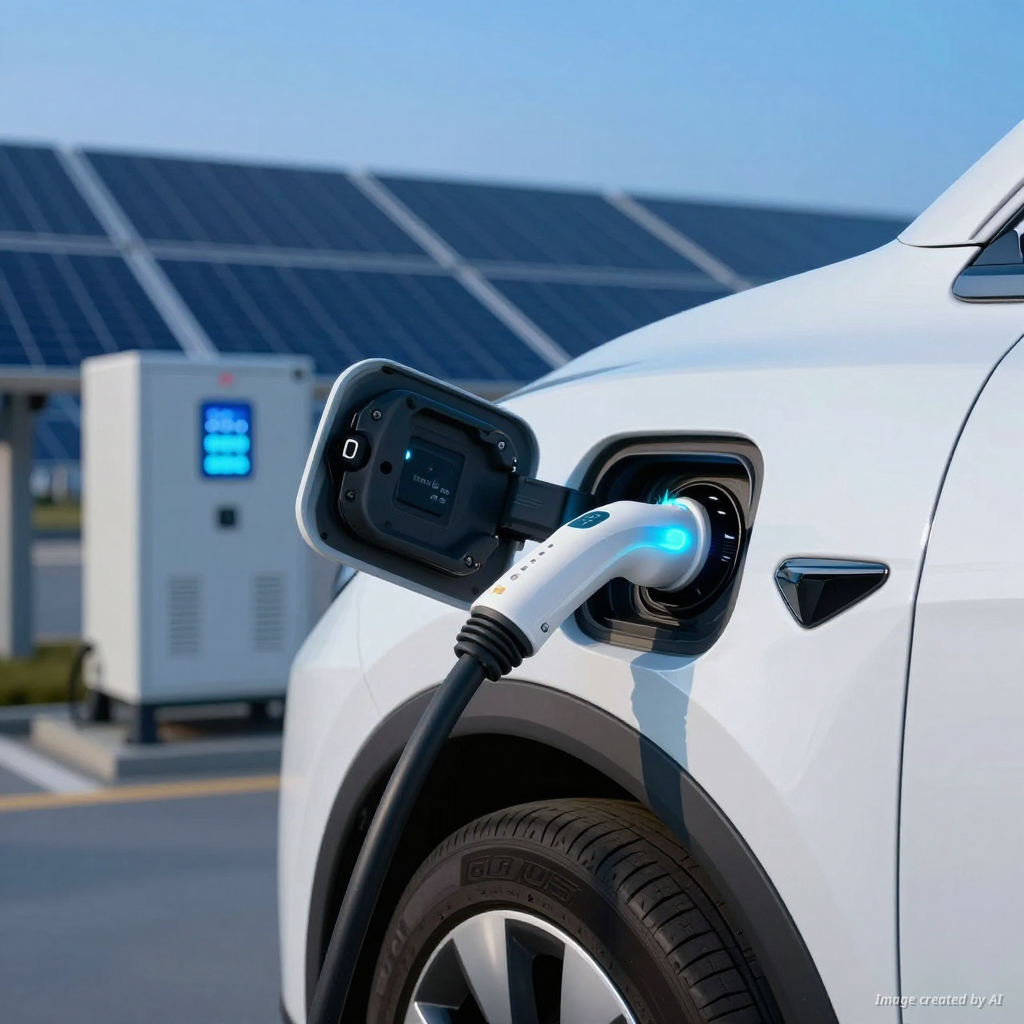
The increase in electric vehicles will raise the demand for electricity, especially during peak hours. If not managed properly, the simultaneous charging of thousands of EVs could cause an overload on local distribution transformers [4]. This is a critical issue for power companies that maintain the balance of the grid.
Strategies such as smart charging must be implemented to avoid sudden load spikes. The government is actively promoting policies to prepare the grid for this change [2]. Understanding affordable electric vehicles: opportunities for the Vietnam and Philippines markets is essential to gauge the scale of potential future demand.
Grid stability and the role of renewable energy
The current Philippine grid, managed by the National Grid Corporation of the Philippines (NGCP), frequently experiences yellow and red alerts during the summer. Dependency on coal limits the grid’s ability to accommodate large-scale additional loads from EVs [3]. To make the shift to EVs sustainable, the share of renewable energy in our power mix must be increased.
The Philippine Energy Plan aims to increase the renewable energy share to 35% by 2030 [3]. Energy companies must invest in infrastructure capable of supporting variable energy sources. The use of Battery Energy Storage Systems (BESS) can help maintain grid stability even when many people are charging their vehicles.
Solutions for the future
Technology plays a major role in solving energy challenges. Vehicle-to-Grid (V2G) technology allows EVs to serve as energy storage that can feed power back into the grid when needed [3]. Through this, vehicles are not just consumers but also part of the solution for grid stability.
Furthermore, the implementation of Time-of-Use (TOU) rates can encourage users to charge during off-peak hours. Car insurance 2026: new packages and trends in the Philippines may also include incentives for EV users who participate in such smart charging programs.
The importance of infrastructure
Building sufficient charging stations is another major challenge. The lack of high-voltage grid connections in remote areas is slowing the expansion of the EV network [4]. Energy companies must collaborate with local government units to expedite the installation of charging hubs.
Planning for 20,000 to 60,000 charging stations requires significant capital and technical expertise [1]. Companies that adopt this technology early will have a market advantage. Building strong relationships between regulators and the private sector is key to the success of EVIDA [2].
Conclusion
The transition to electric vehicles is not just a matter of transportation but also a matter of energy. Energy sector companies have a responsibility to prepare our national grid for the future. Through innovation, proper policies, and sufficient investment, the Philippines can overcome these challenges.
The development of the EV sector will open many opportunities for energy companies. Being prepared for this change will ensure a cleaner and more stable future for all Filipinos.
More Information
- Electric Vehicle Industry Development Act (EVIDA): A law in the Philippines (RA 11697) that establishes a national framework for the adoption of electric vehicles and the construction of charging infrastructure.
- National Grid Corporation of the Philippines (NGCP): The private corporation holding the franchise for the operation and maintenance of the national electricity transmission grid throughout the Philippines.
- Vehicle-to-Grid (V2G): A technology where the battery of an electric vehicle can discharge electricity back into the grid to help balance supply and demand.
- Peak Load Demand: The period in a day when consumer electricity consumption is at its highest, causing intense pressure on power plants and transmission lines.
- Department of Energy (DOE): The government agency responsible for preparing, implementing, and monitoring the country’s plans and programs regarding energy and the development of the sector.
Related Posts
-
 Uncategorized
Factors driving consumers toward electric vehicles
Read more →Currently, the transportation landscape in the Philippines is changing rapidly. Many consumers are beginning to shift from traditional gasoline-powered vehicles…
-
 Uncategorized
Why the use of electric vehicles is growing rapidly among consumers today
Read more →Currently, many of us Filipinos are beginning to change our perspective when it comes to choosing a vehicle. The rise…
-
Uncategorized
OTA updates for smart massage chair systems
Read more →Driving for long hours causes extreme physical fatigue. For drivers, having a smart massage chair is a significant help. These…