
Effective electric vehicle fleet management software for businesses
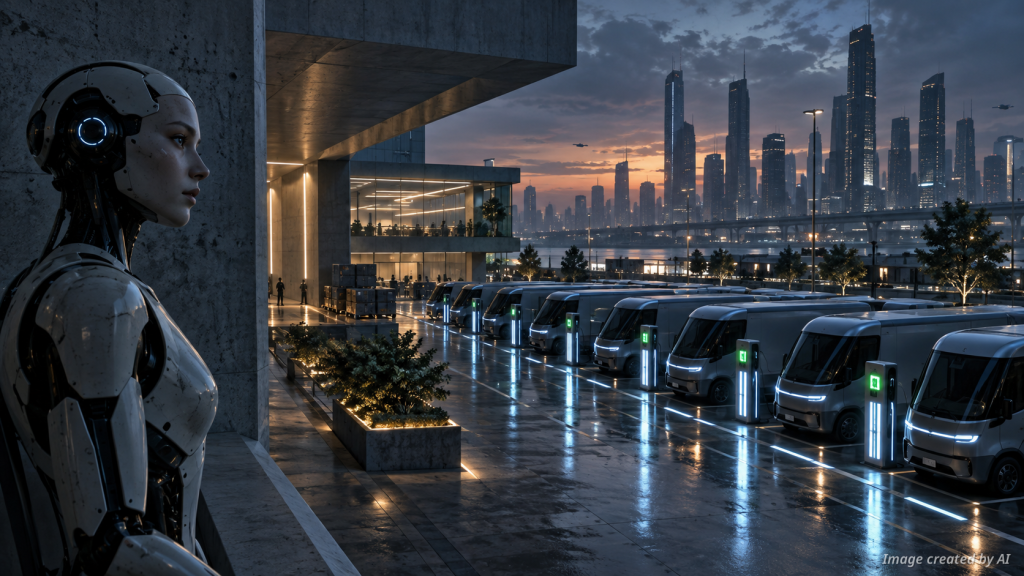
Transitioning to electric vehicles (EVs) is a significant step for businesses looking to reduce their carbon footprint. In the Philippines, the development of EV infrastructure continues to accelerate due to strategic partnerships between private companies and service providers [1]. However, operating a fleet of these vehicles requires more than just simple charging.
Using the right software is key to operational success. Modern solutions provide managers with the ability to monitor energy usage, battery status, and maintenance schedules in real-time [2]. Through advanced charging technology, asset utilization is improved and unnecessary downtime is reduced.

Why fleet management software is important
Operating electric vehicles comes with unique challenges. Unlike traditional vehicles, EVs require careful monitoring of their state-of-charge (SoC). Efficient software helps companies avoid issues like “range anxiety” through intelligent route planning [3].
Furthermore, tools such as AI-powered delivery route optimization for commercial electric vehicles allow for more efficient use of charging stations. By scheduling charging based on demand, the overall operational efficiency of the company is increased [5].
Choosing the right solution for your business
When selecting software, consider its ability to integrate with existing ERP (Enterprise Resource Planning) systems. Tools from providers like Epicor offer comprehensive support for the automotive and manufacturing industries [4]. Such systems provide centralized control over all aspects of fleet management.
It is also important that the software is easy for drivers and maintenance staff to use. Automatic alerts for battery servicing or parts replacement help maintain vehicle safety. Digital technology for tracking the life cycle of electric vehicle parts is another essential feature to look for in a software solution.
Benefits of switching to digital fleet management
The digitalization of fleet management brings many benefits to businesses in the Philippines. First, reducing fuel and maintenance costs results in higher profit margins in the long run. Second, the use of data-driven insights gives managers the ability to make smarter decisions.
- Reduction in the company’s carbon emissions.
- More efficient scheduling of charging sessions.
- Real-time tracking of location and battery health.
- Automated reporting for regulatory compliance.
Implementing these solutions is not just about technology, but also about changing the culture within the organization. With proper training and support, employees can more easily adapt to using these new systems.
The future of green transportation
As the electric vehicle market continues to grow in the country, the demand for smart software will increase accordingly. Companies that invest in this technology now will have a significant competitive advantage. Collaboration between sectors, such as EV infrastructure projects, points to a bright future for electric transportation in the Philippines [1].
Choosing the right software partner is as important as choosing the right vehicle. Ensure that your chosen solution is scalable and capable of keeping up with the growth of your fleet. With the right approach, your business will not only save money but also become part of the solution for a cleaner environment.
More Information
- V-Green and Green GSM: Key companies in the Philippines focused on building infrastructure for electric vehicles and providing eco-friendly transportation services [1].
- Huaquan Power: A provider of energy solutions and generators that supports fleet management through digital dashboards and monitoring tools [2].
- SVCE (Silicon Valley Clean Energy): An organization that provides guidance on the use of electric vehicles and understanding related technologies [3].
- Epicor: A global software company offering ERP and MES tools to optimize processes in the automotive and manufacturing industries [4].
- Hitachi: A technology leader focused on developing solutions for EV charging infrastructure and optimizing electricity usage [5].
Related Posts
-
 Uncategorized
Factors driving consumers toward electric vehicles
Read more →Currently, the transportation landscape in the Philippines is changing rapidly. Many consumers are beginning to shift from traditional gasoline-powered vehicles…
-
 Uncategorized
Why the use of electric vehicles is growing rapidly among consumers today
Read more →Currently, many of us Filipinos are beginning to change our perspective when it comes to choosing a vehicle. The rise…
-
Uncategorized
OTA updates for smart massage chair systems
Read more →Driving for long hours causes extreme physical fatigue. For drivers, having a smart massage chair is a significant help. These…