
Developing electric vehicle batteries with high recyclability from the design stage
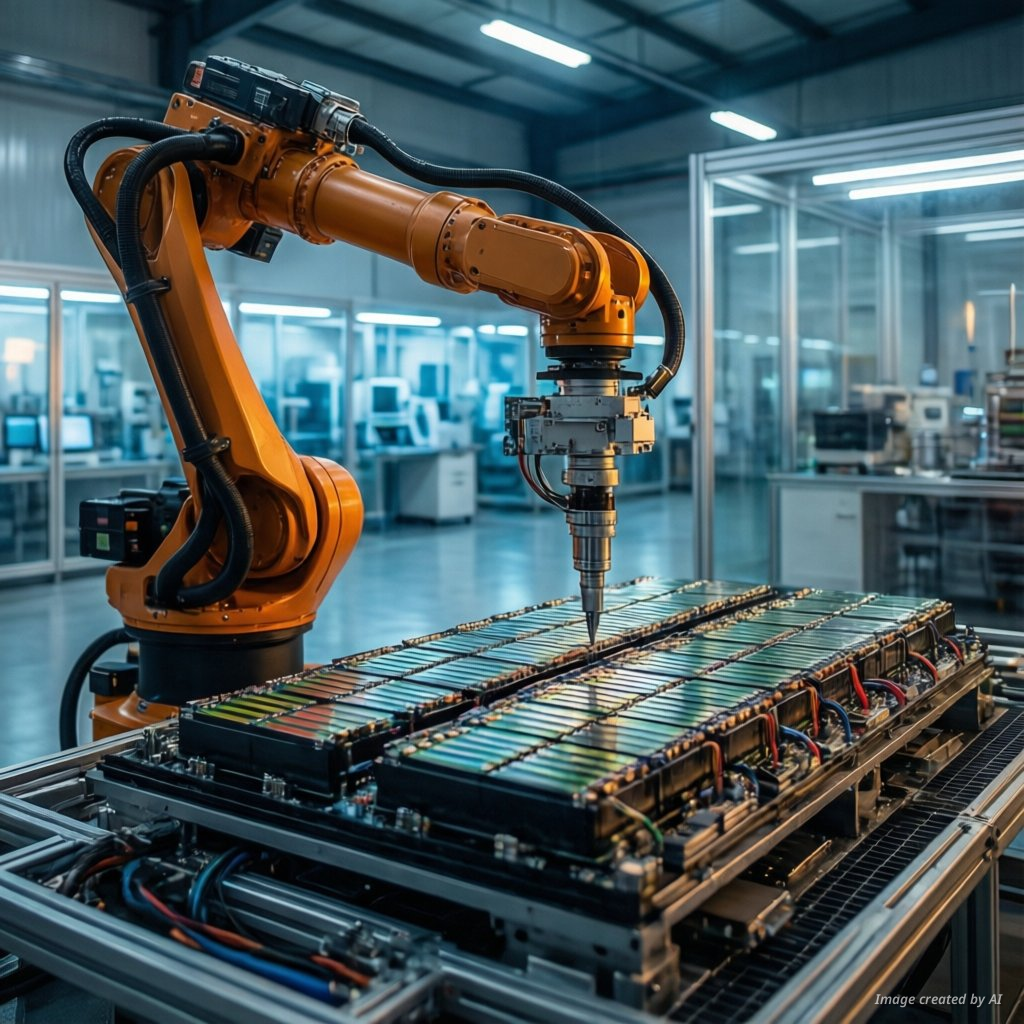
The electric vehicle (EV) industry is growing rapidly worldwide, including in the Philippines. Amidst this transition, the focus of researchers and manufacturers is shifting toward developing batteries with high recyclability from the design stage. This concept, known as Design for Recycling (DfR), is critical to ensuring the long-term sustainability of our environment.
Implementing DfR is not just a technical challenge but a strategic move for the security of critical minerals. By creating batteries that are easy to disassemble, we can more easily recover valuable materials such as nickel, cobalt, and lithium. These materials are essential for producing new batteries in the future [4].
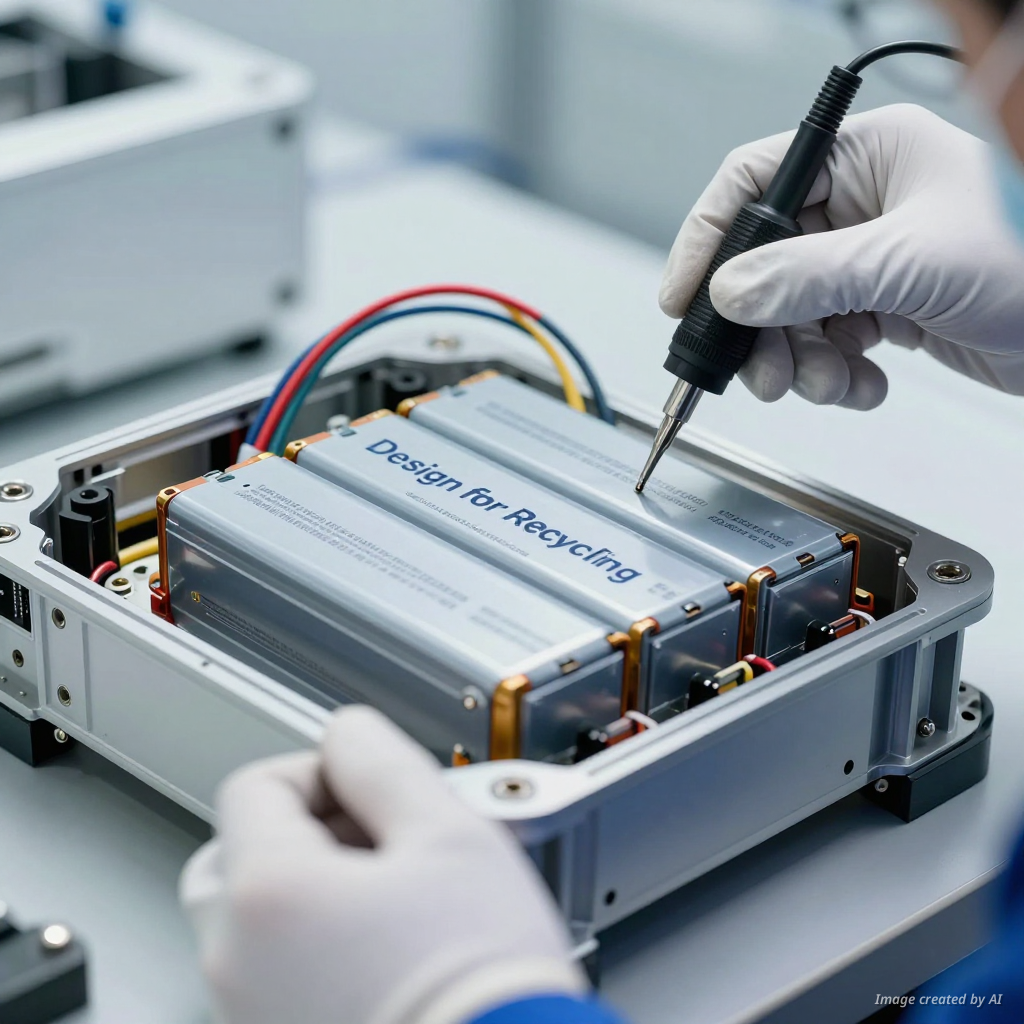
The importance of modular architecture
Traditional battery designs often use strong glues or adhesives that make disassembly difficult. Shifting to a modular architecture allows manufacturers to use mechanical methods to separate cells. This approach increases the quality of materials that can be returned to production.
In the context of the Philippines, Republic Act No. 11697, or the Electric Vehicle Industry Development Act (EVIDA), sets the framework for the adoption of these technologies [1]. Supporting local manufacturing depends on our ability to manage batteries at the end of their life cycle [3].
Standardization and digital tracking
Reducing the variety of plastics and composite materials simplifies the sorting process. When materials are standardized, pyrometallurgical or hydrometallurgical processes become more efficient. This results in a higher recovery rate for precious metals.
The use of a digital battery passport is also a key part of this innovation. You can read about digital technology for tracking the life cycle of electric vehicle parts to better understand this process. QR codes or digital IDs contain information about the chemical composition of the battery [2].
Strengthening the local supply chain
The Philippines has significant reserves of nickel, which is a key ingredient in batteries. The government’s goal is to make the country part of the global value chain by processing battery-grade nickel sulfate. Recycling provides an additional supply of these materials without the need for further mining.
The Comprehensive Roadmap for the Electric Vehicle Industry (CREVI) provides direction for local companies [2]. The development of investments in electric vehicle battery recycling infrastructure: opportunities and challenges is vital for our economy.
Implementation challenges
Although the goal is commendable, there are still challenges in implementing DfR in the country. The lack of facilities for hydrometallurgical recycling is a major hurdle. Building plants capable of extracting purified metals from black mass requires significant capital.
Furthermore, the logistics for collecting old batteries from various islands require a well-organized system. Safety in transporting these batteries must be a priority to avoid any accidents. Collaboration between the government and the private sector is necessary to overcome these challenges [3].
Economic benefits and green jobs
Battery recycling opens up new job opportunities. The processes of disassembly, testing, and material recovery require skilled workers. This directly contributes to the creation of green jobs in the country.
Environmental preservation is not just about reducing pollution. It is also about building a robust economy that depends on sustainable technologies. The development of easily recyclable batteries is a step toward a brighter future for the automotive industry in the Philippines [5].
More Information
- Design for Recycling (DfR): A product design approach where each component is designed to be easily disassembled and its materials reused at the end of the product’s life.
- Digital Battery Passport: A digital record containing information about the history, chemical composition, and state of health of a battery for easier management.
- Hydrometallurgical Recycling: A recycling process using liquid solutions to extract and purify precious metals from used batteries.
- Circular Economy: An economic system focused on reducing waste and reusing resources to maintain the value of materials over a long period.
- Black Mass: The term for the mixture of materials obtained after crushing and processing used batteries, which contains valuable metals such as nickel and cobalt.
Related Posts
-
 Uncategorized
Factors driving consumers toward electric vehicles
Read more →Currently, the transportation landscape in the Philippines is changing rapidly. Many consumers are beginning to shift from traditional gasoline-powered vehicles…
-
 Uncategorized
Why the use of electric vehicles is growing rapidly among consumers today
Read more →Currently, many of us Filipinos are beginning to change our perspective when it comes to choosing a vehicle. The rise…
-
Uncategorized
OTA updates for smart massage chair systems
Read more →Driving for long hours causes extreme physical fatigue. For drivers, having a smart massage chair is a significant help. These…