
Cost-benefit analysis of electric vehicle battery recycling in the Philippines
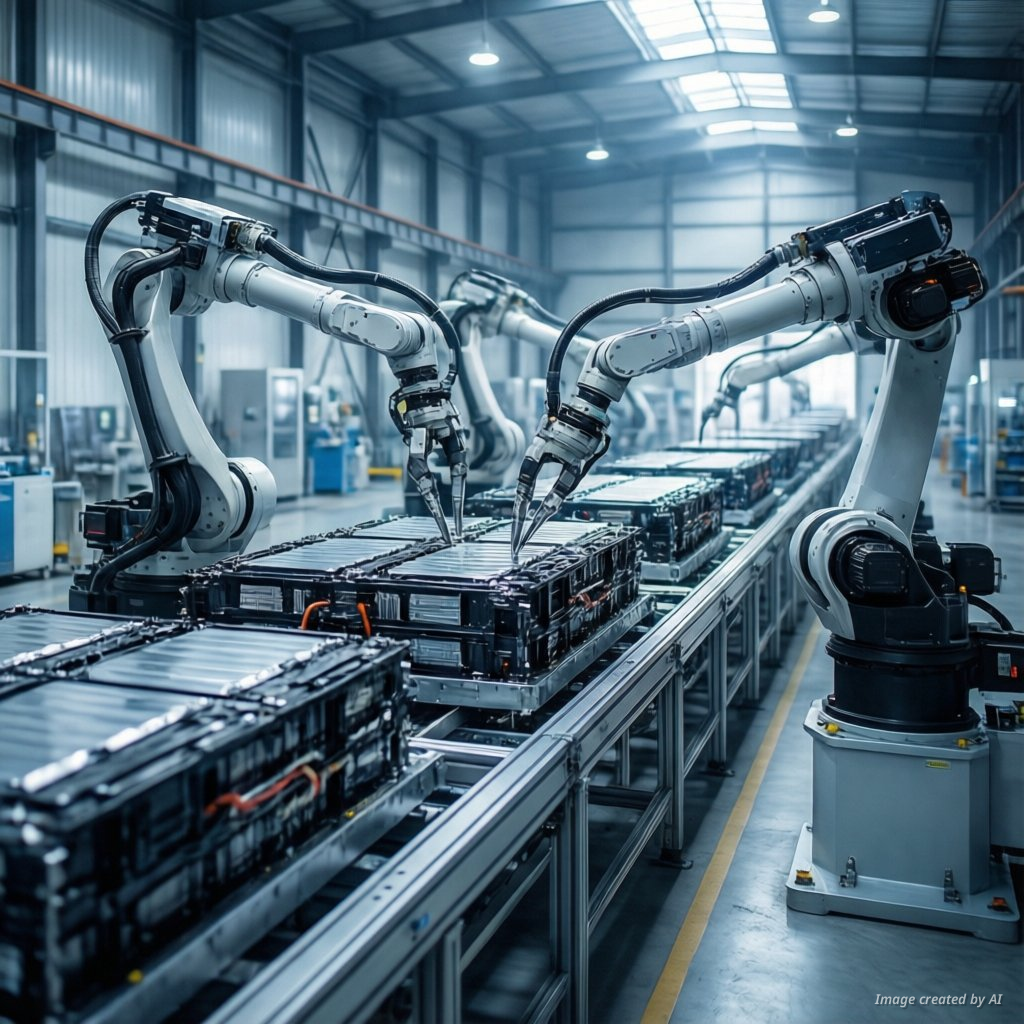
The transition to electric vehicles (EVs) is a vital part of the Philippines’ strategy for cleaner energy. Under the Electric Vehicle Industry Development Act (EVIDA), the need for a comprehensive management system for end-of-life batteries is emphasized [1]. As analysts, it is important to examine the balance of costs and benefits involved in recycling these batteries.
The development of the EV industry depends on establishing a robust supply chain. Recycling is not just an environmental issue but a strategic business decision for the country [2]. Understanding investing in electric vehicle battery recycling infrastructure: opportunities and challenges will provide a clear perspective for stakeholders.
Key costs of recycling
Building recycling facilities requires significant capital expenditure (CAPEX). Technology for hydrometallurgical or pyrometallurgical processing requires sophisticated machinery [3]. Furthermore, safety is a priority due to the risk of thermal runaway in lithium-ion batteries.
Operational expenditure (OPEX) is also a major challenge in our country. Because the Philippines is an archipelago, the logistics of transporting heavy and hazardous batteries from various islands to centralized plants increase costs [4]. Compliance with DENR regulations for toxic waste also requires ongoing funding.
Economic and environmental benefits
Despite high costs, recycling offers significant economic returns. Recovering critical minerals such as nickel, cobalt, and lithium reduces our dependence on imported raw materials [3]. Developing local processing capabilities adds value to our natural resources [4].
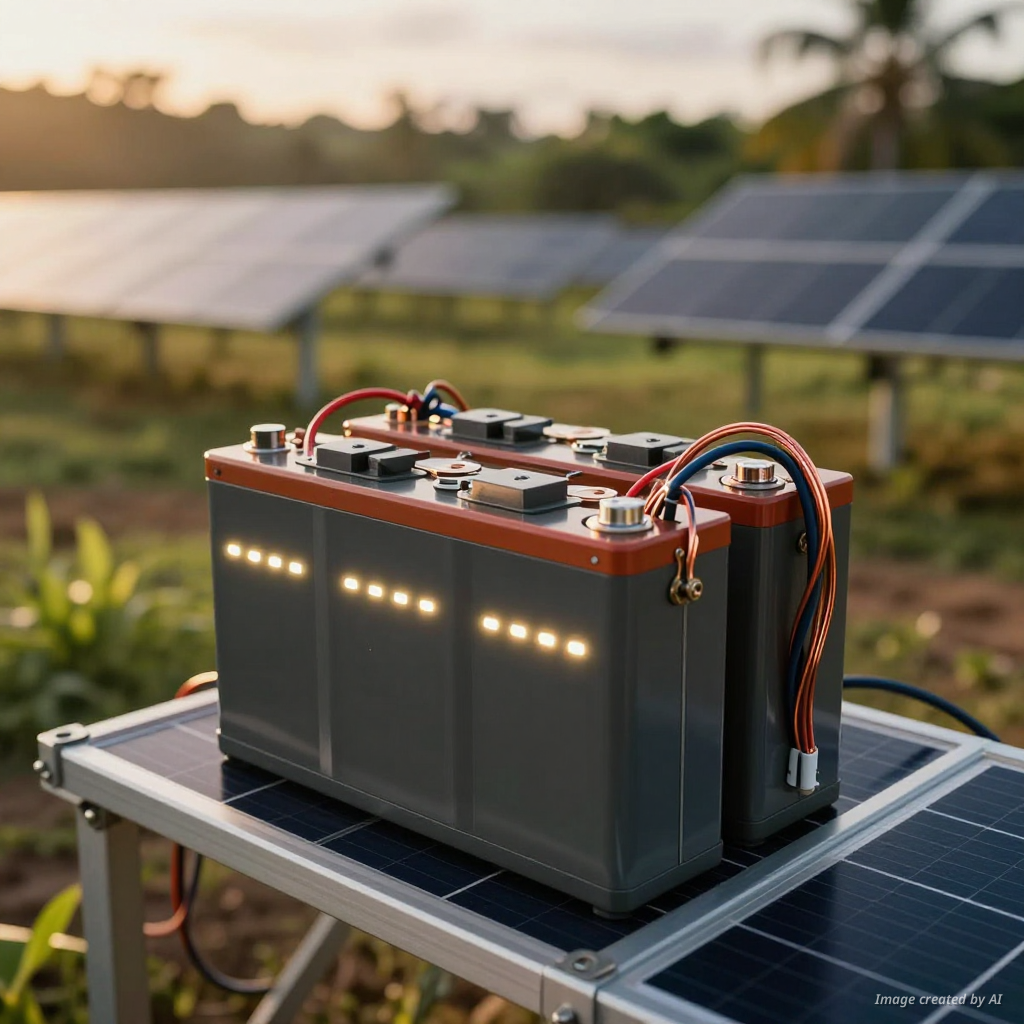
The concept of a circular economy opens the door for second-life applications. Batteries that are no longer sufficient for vehicles can still be used as energy storage systems (ESS) for solar projects in remote communities. This is a solid-state approach and the future of the circular economy for electric vehicles that increases the value of each battery unit.
Implementation challenges in the Philippines
The main obstacle at present is the lack of volume of end-of-life batteries. The EV market in the country is still in the growth stage, so the necessary economy of scale has not yet been reached [2]. Establishing a formal supply chain for collection is critical for facilities to be viable.
Clearer mechanisms between manufacturers and recyclers are also needed. Implementing extended producer responsibility (EPR) will help fund recycling programs. The EVIDA Act serves as a foundation, but further supportive policies for private investors are still required [1].
Cost-benefit ratio analysis
In the analysis of experts, recycling shows a positive impact in the long run. Although the initial investment is heavy, avoiding pollution in landfills and reducing the carbon footprint have corresponding value to society [5]. The creation of new green jobs also strengthens the argument for recycling.
Choosing to recycle rather than dispose shows responsible resource management. For economists, recovering expensive metals is a way to maintain the country’s supply chain security. Understanding global battery trends will help in making smarter decisions [3].
Conclusion
EV battery recycling is a vital part of the future of transportation in the Philippines. While there are challenges in logistics and capital, the economic and environmental benefits are undeniable. Collaboration between the government and the private sector is key to building a successful ecosystem.
More Information
- EVIDA Act [1]: Republic Act No. 11697, which sets the framework for the development of the electric vehicle industry in the Philippines, including the management of end-of-life batteries.
- DOE [2]: The Department of Energy, which leads in the implementation of energy policies and the promotion of technologies that help reduce carbon emissions.
- IEA [3]: The International Energy Agency, which provides data and analysis on battery trends and electric vehicle supply chains worldwide.
- PSA [4]: The Philippine Statistics Authority, which publishes data on mineral resource accounts that are important for planning the mining and recycling industries.
- Circular economy [5]: An economic system that aims to reduce waste by reusing, repairing, and recycling materials instead of disposing of them.
Related Posts
-
 Uncategorized
Factors driving consumers toward electric vehicles
Read more →Currently, the transportation landscape in the Philippines is changing rapidly. Many consumers are beginning to shift from traditional gasoline-powered vehicles…
-
 Uncategorized
Why the use of electric vehicles is growing rapidly among consumers today
Read more →Currently, many of us Filipinos are beginning to change our perspective when it comes to choosing a vehicle. The rise…
-
Uncategorized
OTA updates for smart massage chair systems
Read more →Driving for long hours causes extreme physical fatigue. For drivers, having a smart massage chair is a significant help. These…