
Circular economy for electric vehicle batteries: recycling and reuse strategies
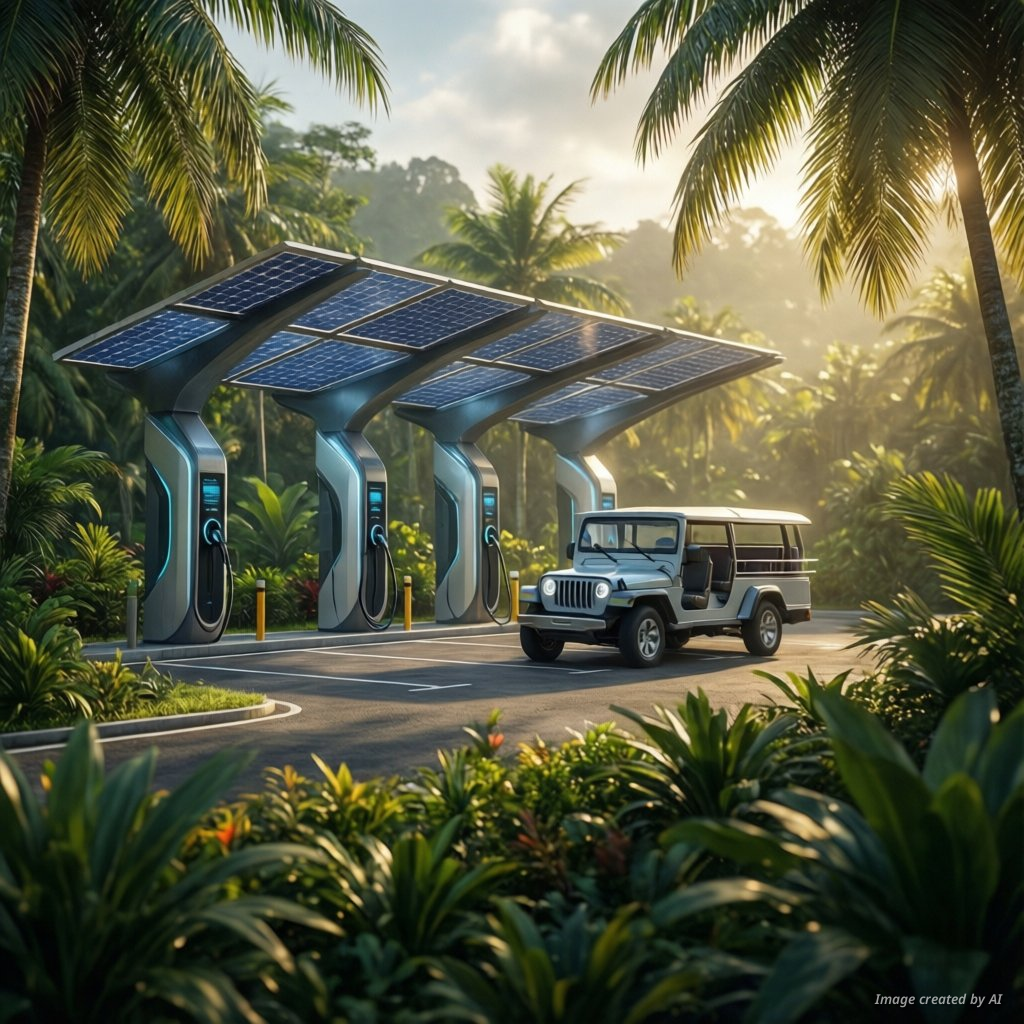
The rapid rise of electric vehicles (EVs) in the Philippines is bringing significant changes to our transportation. As more e-jeepneys and e-motorcycles hit the road, the challenge of managing their batteries is also growing. Implementing a circular economy for EV batteries is essential to keeping our environment clean.
Lithium-ion batteries have a limited lifespan, typically lasting eight to ten years. After this, a proper strategy for recycling and reuse is necessary to prevent pollution. Understanding Republic Act No. 11697, or the EVIDA Law, is the first step for manufacturers and industry stakeholders [1].
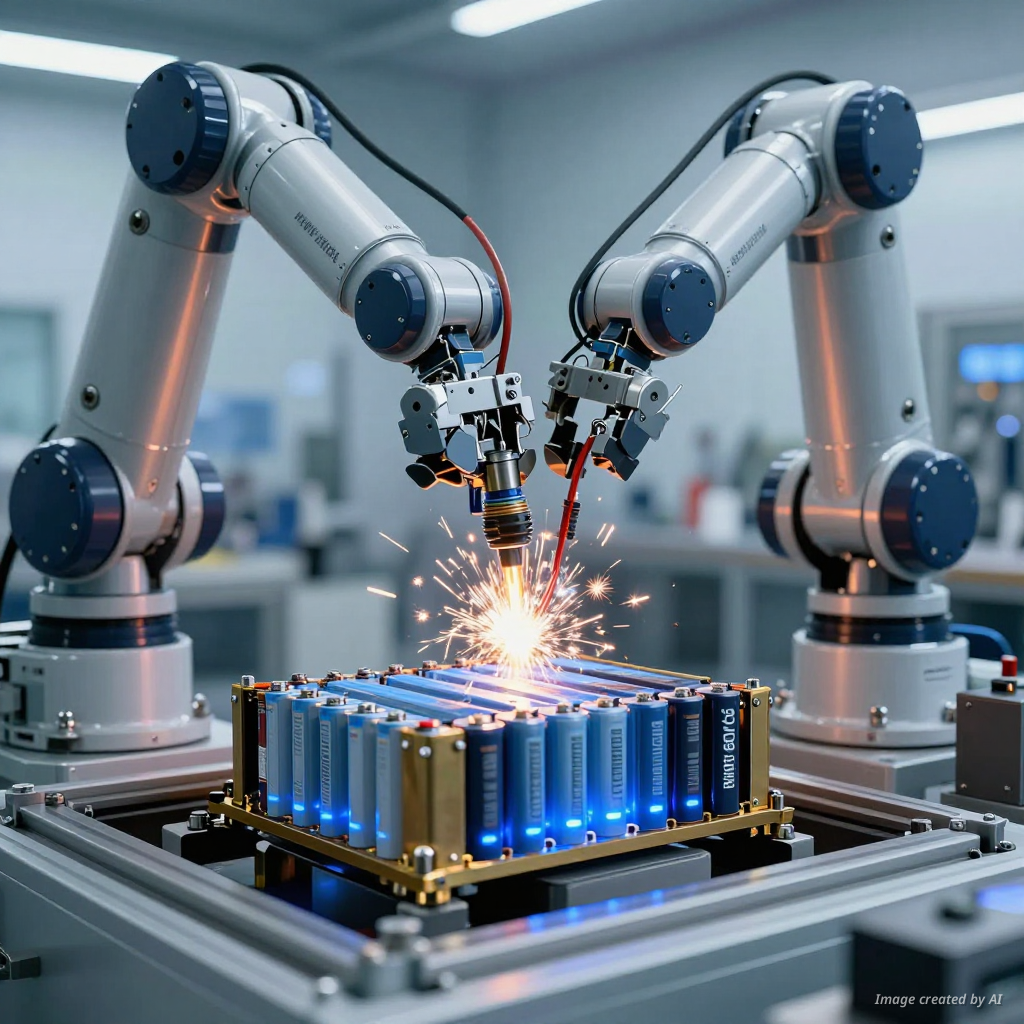
The importance of a circular economy in the Philippines
A circular economy is not just about recycling. It is a system where materials remain useful for a long time. For EV batteries, this model aims to reduce reliance on extracting new raw materials. By repairing and reusing them, we extend the life of valuable metals such as nickel and cobalt.
Electric vehicles and government incentives in the Philippines provide a clear direction for businesses. In collaboration with the Department of Energy, manufacturers are encouraged to implement eco-friendly programs [2]. Such measures strengthen consumer trust in EV technology.
Second-life application: giving batteries a new life
When a battery’s capacity drops to 70% to 80%, it is no longer suitable for vehicles. However, it can still be used for another five to ten years as stationary energy storage systems (ESS). This is a vital part of the circular economy.
- Energy storage for solar and wind power plants.
- Backup power for commercial buildings and remote communities.
- Supporting microgrids on islands without connection to the main power grid.
The use of “second-life” batteries helps balance electricity supply. It is a practical solution while we wait for the advancement of recycling technology in the country [3].
Recycling and material recovery strategies
Recycling is the final stage of the circular economy. In this phase, batteries are shredded and processed to recover valuable minerals. The Board of Investments is actively promoting a “green metals strategy” to make the Philippines a hub for mineral processing [4].
Recovering nickel, lithium, and manganese from old batteries reduces the need for mining. This provides greater economic value and protects our natural resources. Local facilities are needed to avoid exporting hazardous waste to other countries [5].
Implementation challenges
Although the goal is noble, we face challenges. The logistics of collecting batteries across an archipelago are complex. A proper transportation system for hazardous materials is required.
Furthermore, the lack of large-scale local recycling facilities is a barrier. Companies need to invest in technology and worker training. Collaboration with the Environmental Management Bureau is critical for compliance with waste disposal regulations [3].
The role of extended producer responsibility
Extended producer responsibility (EPR) is an important mechanism for battery manufacturers. Under this system, companies are responsible for the entire life cycle of their products. This includes the recovery and proper disposal of batteries after they have been used.
Implementing take-back programs demonstrates the dedication of companies to the environment. It also lowers the risk of hazardous chemicals ending up in landfills. The rise of e-bikes and e-motorcycles as a new mode of transport in the Philippines shows that we need these policies now [1].
Conclusion
A circular economy for EV batteries is not just an option but a necessity. By repurposing and recycling, we can maintain industry growth while protecting our environment. The Philippines has the potential to be a leader in this region if the government and private sector work together.
Adhering to laws and investing in the right technology will determine our success. Together, let us build a cleaner and smarter future for transportation in the country.
More Information
- EVIDA Law (RA 11697): A Philippine law that establishes a national framework for the development of the electric vehicle industry, including the management of end-of-life batteries.
- Stationary Energy Storage (ESS): The use of old EV batteries to store electricity for homes, buildings, or the grid, extending the battery’s life before it is recycled.
- Hazardous Waste Management: The process of safely transporting, storing, and processing hazardous materials such as lithium-ion batteries in accordance with DENR-EMB standards.
- Green Metals Strategy: An initiative by the DTI-BOI that aims to strengthen the local processing of minerals like nickel to support the battery supply chain in the country.
- Circular Economy: An economic system focused on reducing waste through the reuse, repair, and recycling of materials instead of disposing of them.
Related Posts
-
 Uncategorized
Factors driving consumers toward electric vehicles
Read more →Currently, the transportation landscape in the Philippines is changing rapidly. Many consumers are beginning to shift from traditional gasoline-powered vehicles…
-
 Uncategorized
Why the use of electric vehicles is growing rapidly among consumers today
Read more →Currently, many of us Filipinos are beginning to change our perspective when it comes to choosing a vehicle. The rise…
-
Uncategorized
OTA updates for smart massage chair systems
Read more →Driving for long hours causes extreme physical fatigue. For drivers, having a smart massage chair is a significant help. These…