
The future of the home: integrating smart homes and electric vehicles
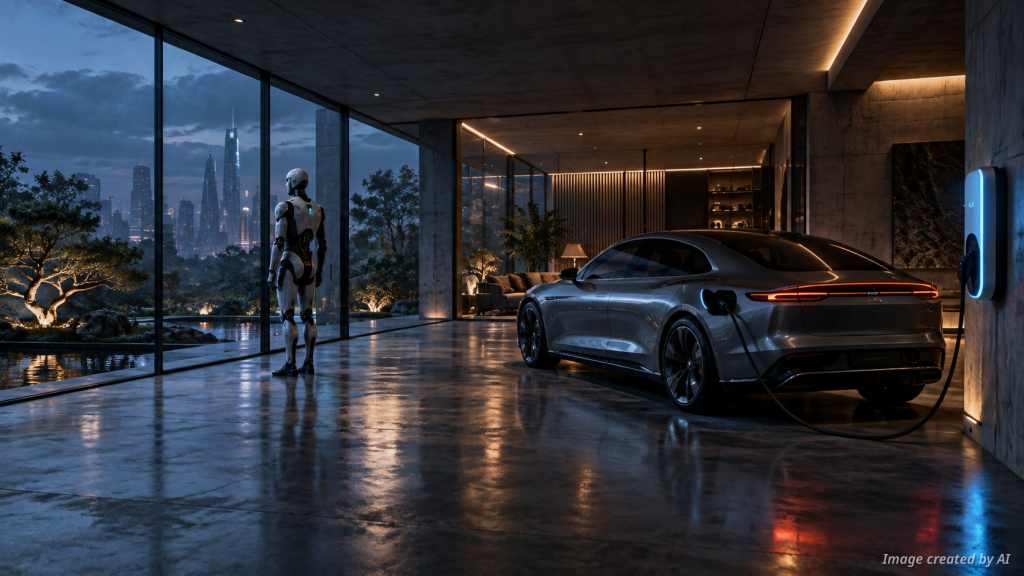
The concept of a smart home is evolving rapidly today. It is no longer limited to controlling lights or thermostats inside the house. Now, electric vehicles (EVs) are also becoming an essential part of our home ecosystem. Integrating this technology opens up many opportunities for more efficient living.
By connecting your vehicle to your home network, you can monitor charging and energy usage more effectively. Understanding the basics of electric vehicles is the first step toward leveraging this integration in your daily routine [2].
Why vehicle-to-home integration is important
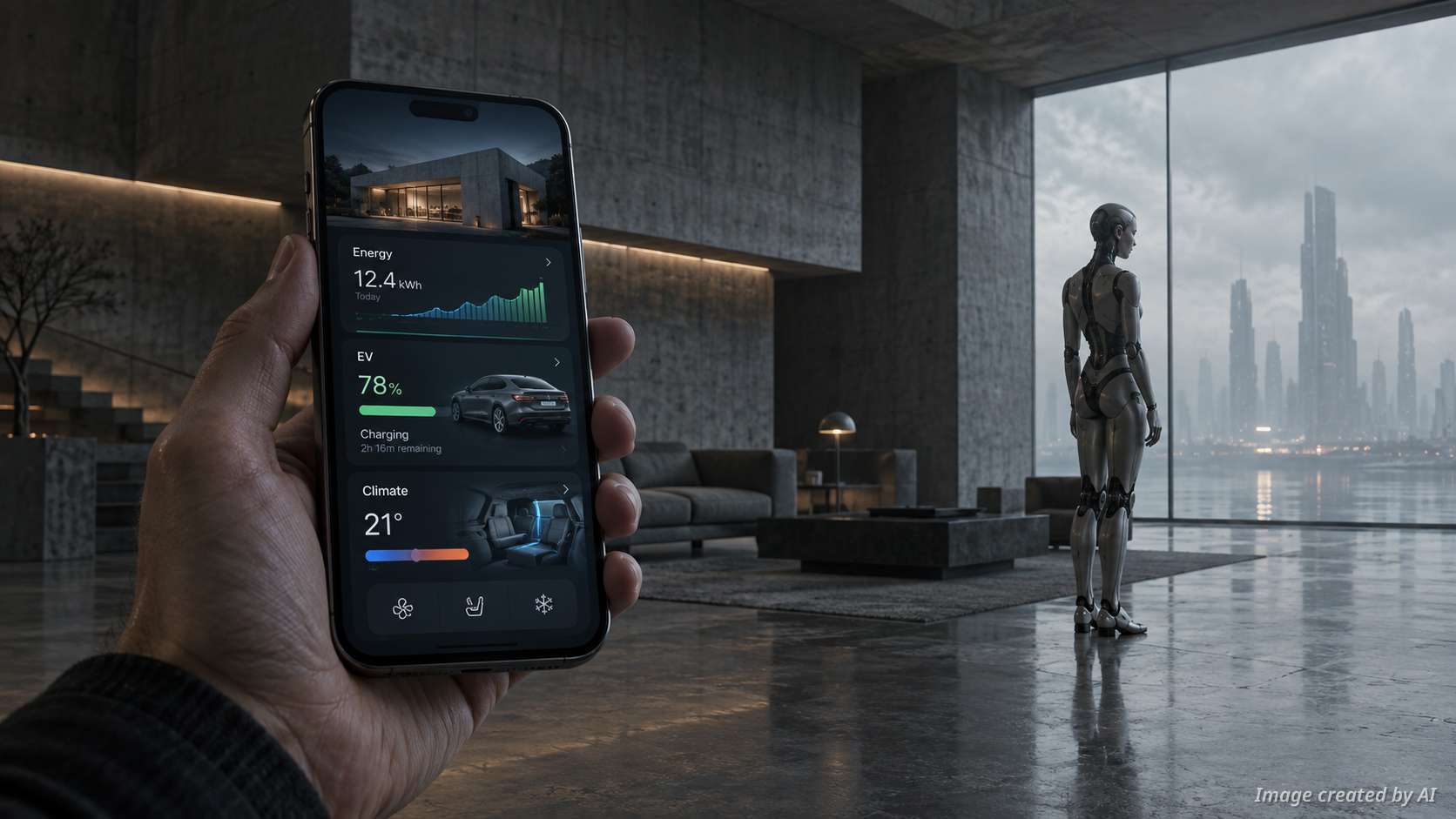
The main goal of integrating a smart home with an electric vehicle is to optimize energy consumption. Many modern vehicles now offer features for effective electric vehicle fleet management software for businesses that can also be adapted for personal use. Through cloud connectivity, you can monitor your vehicle’s status even while you are inside the house [1].
Furthermore, advanced systems allow for remote control. For example, vehicle owners can adjust the temperature inside the cabin before even entering the car [3]. This level of convenience increases the value of your lifestyle in a connected home.
The technology behind remote control
The foundation of this integration relies on a stable internet connection and smart sensors. Using sophisticated security accessories also helps ensure that your charging station is secure and functioning properly [4]. Every part of your smart home should communicate seamlessly.
Manufacturers are continuously releasing software updates. These updates enable broader control, such as scheduling charging based on off-peak electricity hours. This is a smart move for those who use the electric vehicle as a mobile multimedia entertainment hub in their garage.
Improving security and monitoring
Integration is not just about convenience; security is also a critical aspect. Through smart platforms, you can view a live feed of your garage while the vehicle is charging [5]. Using advanced management systems provides peace of mind to owners.
Smart sensors can also send alerts to your smartphone if there is unexpected activity around your vehicle. This strengthens the concept of a “total smart home ecosystem.” Every device works together to protect your assets.
Benefits for users in the Philippines
In the context of the Philippines, the adoption of electric vehicles is growing. Companies like VinFast are also beginning to show interest in the country’s market [1]. Preparing your home for this technology is a smart decision for the future.
Having proper home infrastructure helps maximize your vehicle’s battery life. Proper maintenance of controls and keys is also essential in preventing any issues [3]. Being prepared is key to a smooth EV ownership experience.
Setup challenges
Although there are many benefits, there are also challenges. Having a stable internet connection is necessary for real-time control. Furthermore, the compatibility of different smart home device brands must be considered. Ensure that your chosen ecosystem supports your vehicle’s protocols.
Installing the right chargers at home also requires professional help. Do not attempt to do this yourself if you do not have sufficient knowledge of electrical systems. Safety should always be prioritized in every home project.
The future of connected transportation
In the coming years, we expect the integration of EVs and smart homes to become more seamless. Technology will become more intuitive and easier for everyone to use. Vehicles will no longer be just for transportation; they will become part of our digital lifestyle.
Continue reading and learning about new updates in this technology. Being updated will help you make the right decisions for your home and vehicle. The future is here, and it is connected.
More Information
- Remote fleet management [1]: A technology that allows owners or managers to control and monitor electric vehicles remotely using software and internet connectivity.
- Electric vehicle (EV) [2]: A vehicle that uses electricity from rechargeable batteries for propulsion, offering a cleaner and more efficient alternative to traditional gasoline vehicles.
- Remote start [3]: A feature that allows the user to start the engine or activate vehicle systems such as air conditioning before entering the vehicle.
- Smart security accessories [4]: Equipment such as brackets, sensors, and cameras designed to strengthen the security of installations and equipment within a smart home environment.
- Smart management platform [5]: A centralized software or application that connects various devices in the home, giving the user the ability to manage them from a single interface.
Related Posts
-
 Uncategorized
Factors driving consumers toward electric vehicles
Read more →Currently, the transportation landscape in the Philippines is changing rapidly. Many consumers are beginning to shift from traditional gasoline-powered vehicles…
-
 Uncategorized
Why the use of electric vehicles is growing rapidly among consumers today
Read more →Currently, many of us Filipinos are beginning to change our perspective when it comes to choosing a vehicle. The rise…
-
Uncategorized
OTA updates for smart massage chair systems
Read more →Driving for long hours causes extreme physical fatigue. For drivers, having a smart massage chair is a significant help. These…