
Electric vehicles and operating cost savings for users in the Philippines
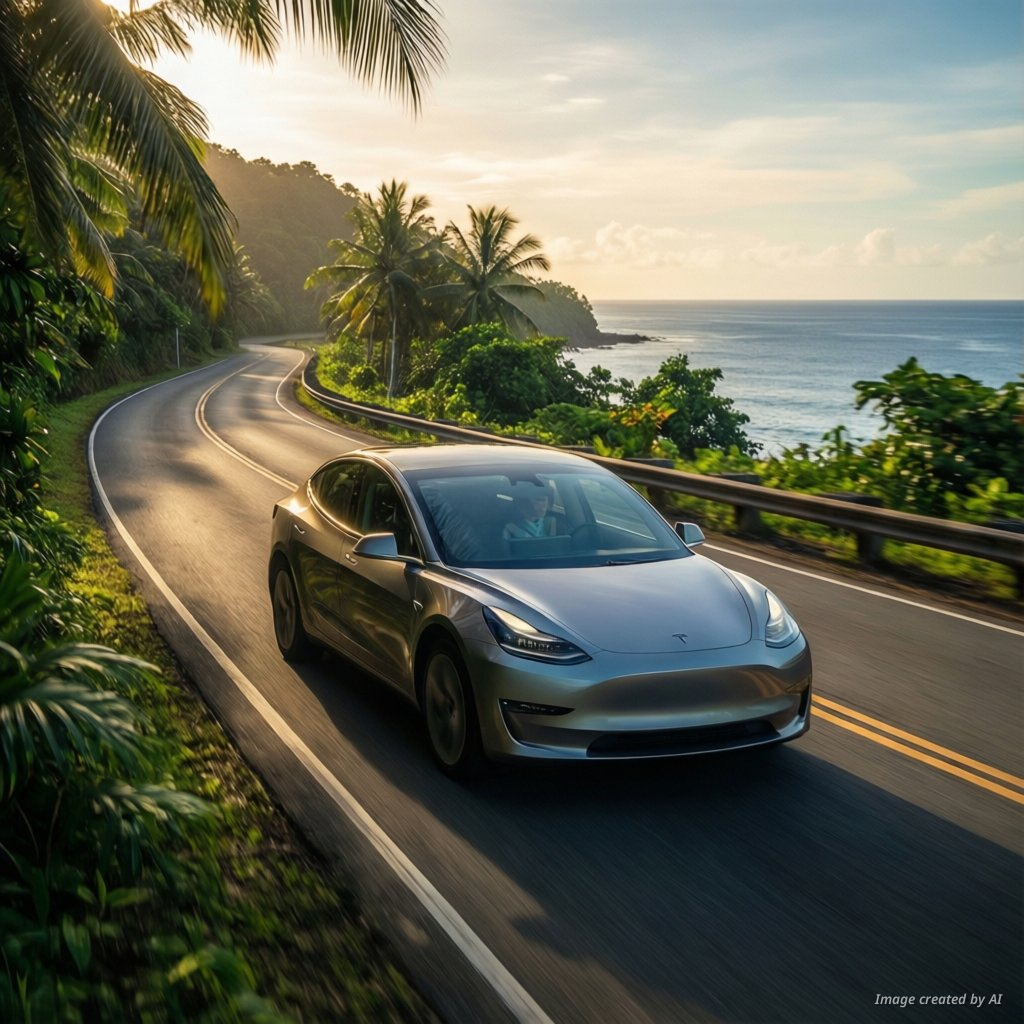
Transitioning to electric vehicles (EVs) is not just a step for the environment. It is also a smart decision for consumers who want to save on their daily transportation costs.
In the Philippines, rising fuel prices are driving many motorists to look for more practical alternatives. Using an EV offers significant reductions in fuel and maintenance expenses [1].
Laws and incentives for EV users
The Philippine government is actively supporting the adoption of these vehicles through the Electric Vehicle Industry Development Act (EVIDA), or Republic Act No. 11697 [3]. This law aims to make EV ownership more affordable in the country.
Under Executive Order No. 12, import duties for EVs have been removed for a period of five years [4]. Furthermore, EV users are exempted from the MMDA’s number coding scheme [2]. These incentives reduce the total cost of vehicle ownership over the long term.
Energy cost comparison
One of the biggest savings can be seen in the cost per kilometer. Electricity is generally cheaper than gasoline in the country [5].
- EVs can travel 6 to 7 kilometers per kWh.
- Electricity costs are approximately ₱1.60 to ₱2.00 per kilometer.
- In contrast, gasoline vehicles cost ₱6.00 to ₱6.80 per kilometer.
Because of this, a motorist can save up to 70% on their fuel expenses. This is a huge relief for those who frequently travel through Metro Manila traffic.
Low maintenance costs
Electric vehicles have fewer moving parts compared to traditional vehicles. You no longer need to change engine oil, spark plugs, or fuel filters [1].
Due to The impact of urbanization on the choice of vehicle type in the Philippines, people are now prioritizing vehicles that are low-maintenance. The regenerative braking system of EVs also helps extend the lifespan of your brake pads.
Over five years, EV owners can save 40% to 50% on their preventive maintenance service (PMS) [3]. This means more savings for other family needs.
The importance of proper charging
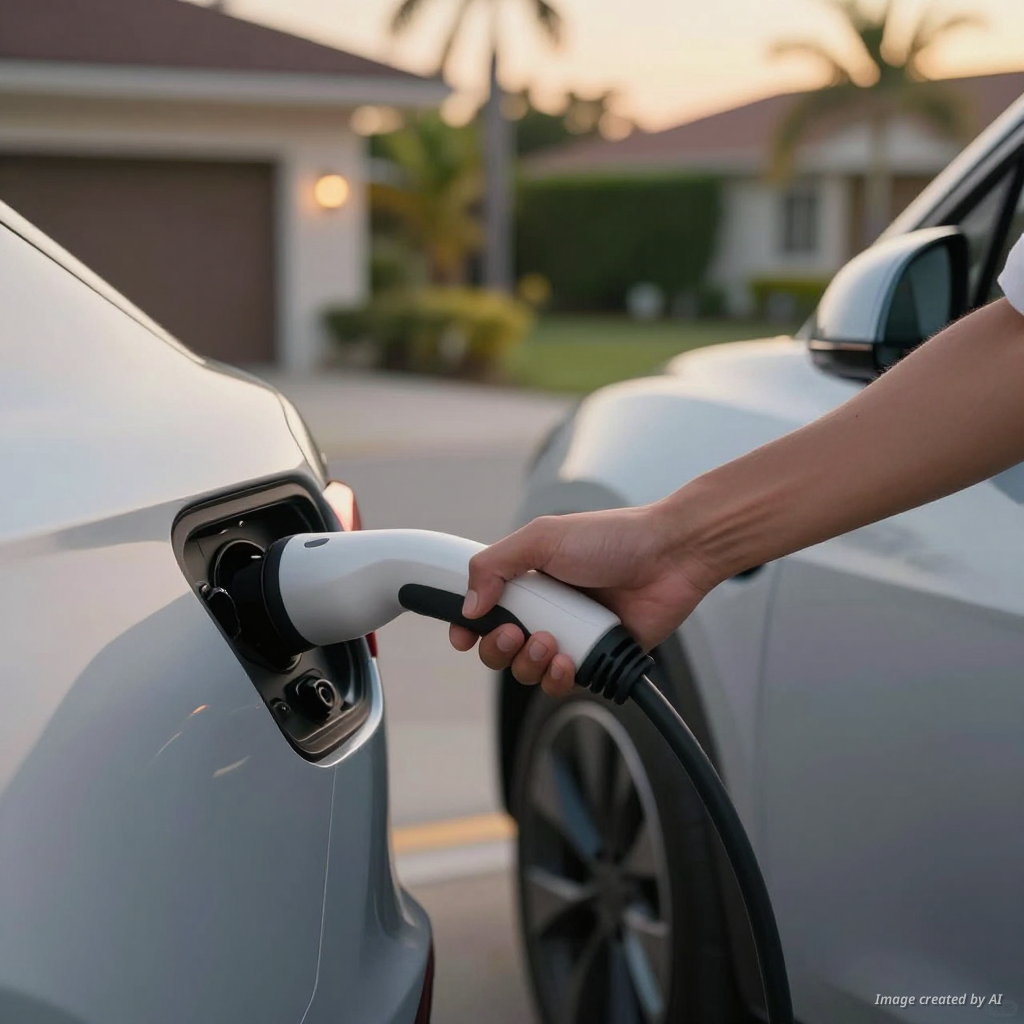
Charging at home is the cheapest way to keep your vehicle’s battery full. Using residential electricity rates, you have more control over your costs [5].
For long trips, there is also a rapidly growing number of charging stations in malls and expressways [2]. Trip planning is also becoming easier due to Mobile applications for smart vehicle management that indicate where the nearest charger is located.
Conclusion
Switching to an electric vehicle is a practical step for Filipinos who want to save money. Through government incentives and lower daily operating costs, an EV is becoming a smart investment.
Although there is an initial purchase cost, the long-term savings on fuel and maintenance prove that EVs are for people who value their budget. Now is the time to consider switching to a cleaner and more economical way of traveling.
More Information
- EVIDA Law (RA 11697): A law in the Philippines that provides a comprehensive framework for the development of the electric vehicle industry and offers incentives to consumers and operators.
- Executive Order 12 (s. 2023): An order that lowers tariffs on the importation of select types of electric vehicles for five years to make them more affordable in the market.
- Regenerative braking: A technology in electric vehicles where the motor acts as a generator while slowing down, recharging the battery and reducing wear on brake pads.
- Preventive maintenance service (PMS): The regular inspection and servicing of a vehicle to ensure it is in good condition and to avoid major repairs in the future.
- Meralco electricity rates: The basis for the cost of electricity in the Philippines, used to calculate the cost of charging electric vehicles in households.
Related Posts
-
 Uncategorized
Factors driving consumers toward electric vehicles
Read more →Currently, the transportation landscape in the Philippines is changing rapidly. Many consumers are beginning to shift from traditional gasoline-powered vehicles…
-
 Uncategorized
Why the use of electric vehicles is growing rapidly among consumers today
Read more →Currently, many of us Filipinos are beginning to change our perspective when it comes to choosing a vehicle. The rise…
-
Uncategorized
OTA updates for smart massage chair systems
Read more →Driving for long hours causes extreme physical fatigue. For drivers, having a smart massage chair is a significant help. These…